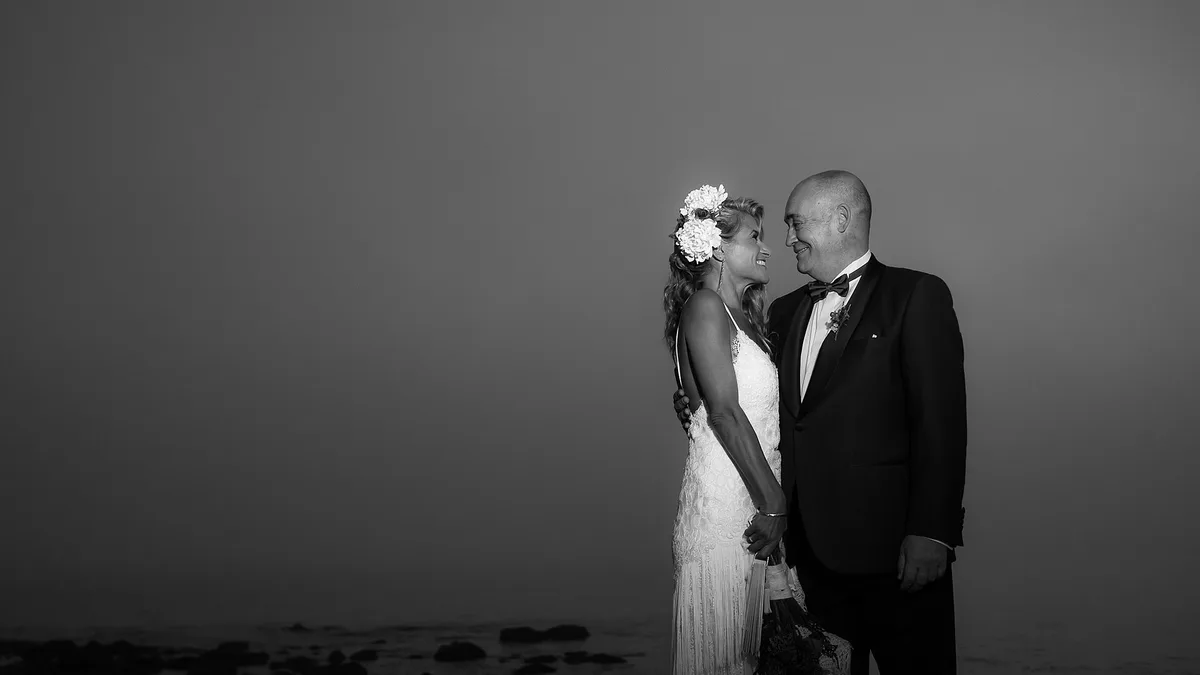
Boda En La Playa
| Occasion type | Wedding |
|---|---|
| Setting | Beach |
| Typical climate | Hot and sunny |
| Garment type | Lightweight formalwear |
| Footwear | Typically sandals or barefoot |
| Duration | Usually a single day |
| Original use | Ceremonial union in an informal, natural setting |
Origin and history
The term "Boda En La Playa" originates from Spanish-speaking coastal regions, particularly in the Caribbean, Mexico, and parts of Spain. It translates directly to "Wedding on the Beach" and refers to the specific occasion rather than a garment itself. The practice of formal beach weddings gained significant popularity in the late 20th century, coinciding with the rise of destination weddings and more relaxed ceremonial formats. Its documentation in popular media and wedding planning literature became widespread from the 1990s onward. This shift represented a move away from exclusively traditional, indoor religious ceremonies to incorporate natural settings. The concept is now a globally recognized wedding style, though its naming remains rooted in the Spanish language and the cultures that popularized it.
What it is for
A Boda En La Playa is a wedding ceremony and reception held on a beach or directly adjacent to a shoreline. The primary purpose is to exchange vows in a natural, scenic, and often less formal setting than a traditional ballroom or church. This occasion dictates specific practical and aesthetic considerations for all elements, particularly the attire worn by the wedding party and guests. The garments must accommodate the unique environment, including sand, wind, salt spray, and intense sun exposure. Footwear, fabric choices, and overall styling are selected explicitly for comfort and functionality in this setting while maintaining a celebratory appearance. The entire event, from decor to timing, is planned around the coastal location, often scheduling the ceremony for late afternoon to avoid the peak heat and to utilize the sunset as a backdrop.
Pros and cons
A primary advantage of a Boda En La Playa is the inherently dramatic and beautiful natural scenery, which requires minimal decorative expense. The atmosphere is generally more relaxed and less rigid than a traditional wedding, which can reduce stress for the couple and guests. Significant drawbacks, however, are almost entirely environmental and logistical. The heat and humidity can be extreme, causing discomfort, wilting floral arrangements, and melting makeup. Wind is a constant challenge, disrupting hairstyles, veils, and any unsecured decor, and can make audio for vows difficult. Sand infiltrates everything, from shoes and clothing to food and drinks, and can damage delicate fabrics or electronics. A common mistake is selecting attire and footwear suited only for photographs, leading to practical misery throughout the event, and many couples regret not having a solid wet-weather backup plan.
Who it suits
This occasion suits couples who prioritize a scenic, natural environment over traditional formality and who are comfortable with a degree of unpredictability. It is well-suited to smaller, more intimate guest lists, as large crowds on a public beach present significant logistical and comfort challenges. Guests and wedding party members who are pragmatic, comfortable in heat, and willing to forgo traditional formalwear in favor of suitable attire will enjoy it most. It is less suitable for individuals who highly value precision, elaborate decor, climate control, or who have significant mobility issues that sand and uneven surfaces exacerbate. The format also suits destinations with reliable, warm weather and controlled beach access, but is a poor choice for regions with unpredictable coastal climates. Ultimately, it suits those who view the potential inconveniences as a worthwhile trade-off for the unique experience.