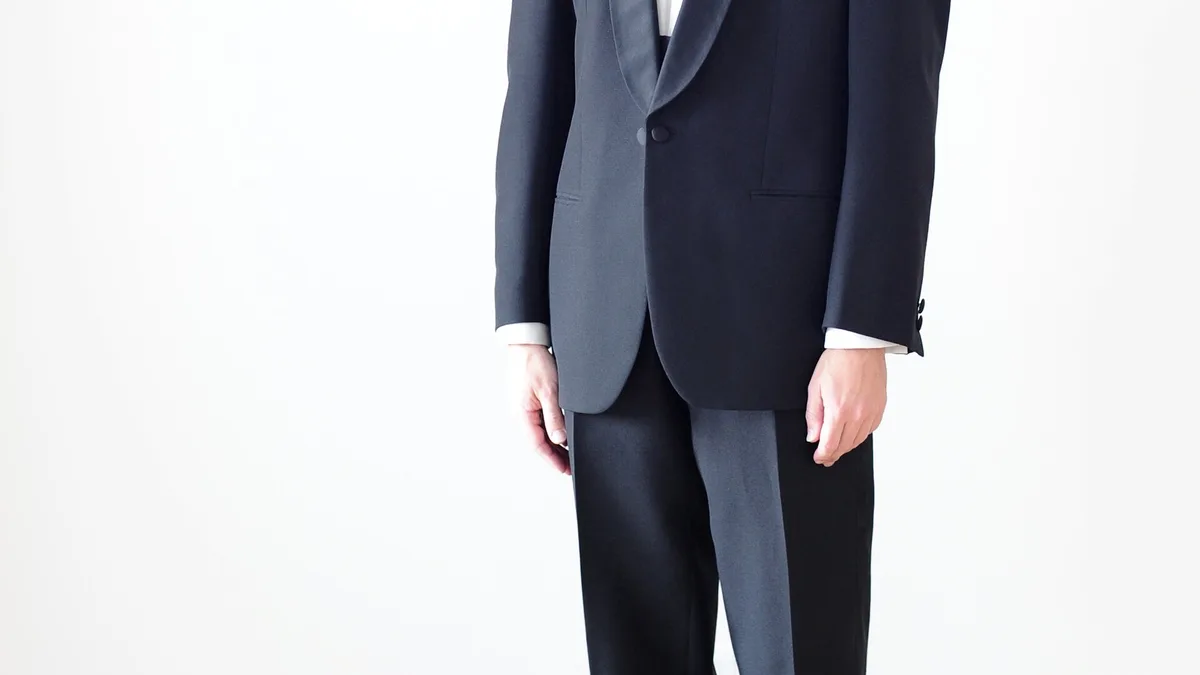
Black Tie And Formal
Origin and history
The modern standard for Black Tie attire originated in the United Kingdom during the late Victorian era. Its development is closely tied to the dinner jacket, which first appeared as a less formal alternative to the tailcoat for private gentlemen's dinners. The specific garment, a short black jacket without tails, is documented as being worn by the Prince of Wales (later King Edward VII) in the 1880s. This practice established its credibility within aristocratic circles and began its adoption as evening wear. The term "tuxedo," commonly used in American English, references the Tuxedo Park country club in New York, where the style was introduced and popularized in the late 19th century. The complete ensemble, including prescribed accessories like the black bow tie, crystallized into a fixed code by the early 20th century across Western formal society.
What it is for
Black Tie is a codified dress code designated for formal evening events that are not of the utmost ceremonial level. It is the standard attire for events such as private dinners, galas, award ceremonies, formal weddings, and opening nights at the opera or ballet. The code provides a clear expectation of uniformity and decorum, ensuring all attendees present a consistent level of formality. It serves to elevate the perceived importance of an occasion through collective sartorial effort. The rules deliberately distinguish the event from both daytime formalwear and the more austere White Tie. Its primary function is social, signaling respect for the event, the hosts, and fellow guests through adherence to a known standard.
Pros and cons
A significant advantage of the Black Tie code is its clarity; guests have a well-documented template to follow, reducing uncertainty about appropriate attire. The uniform nature of the dress can also create a sense of occasion and equality among attendees, focusing attention on the event rather than individual fashion statements. However, the rigidity of the code is a common drawback, as deviations or incorrect interpretations can lead to social discomfort or a feeling of being underdressed. Many individuals regret choosing Black Tie for events in very hot climates, as the required wool or heavy silk garments can become physically oppressive. A frequent mistake is confusing Black Tie with "Formal" or "Creative Black Tie," leading to a mismatch where some guests wear full traditional dress while others wear dark suits or unconventional interpretations. The cost of acquiring a correct ensemble, particularly one of quality, can also be a prohibitive barrier for those who attend such events infrequently.
Who it suits
The traditional Black Tie ensemble is designed for a temperate indoor evening environment and thus suits those attending events in climate-controlled settings. It best suits individuals who are comfortable with prescribed dressing and do not chafe against sartorial rules. The code inherently favors standard body types, as off-the-rack dinner suits and bow ties can be difficult to adjust for non-average proportions without tailoring. It is a practical choice for individuals who attend multiple formal events, justifying the investment in the specific garments. Those with a personal style that leans towards classicism or minimalism often appreciate the built-in elegance of the uniform. Conversely, it can feel restrictive for people who express their identity through fashion or who prioritize personal comfort over traditional formality.
Latest Black Tie And Formal news
Latest reporting
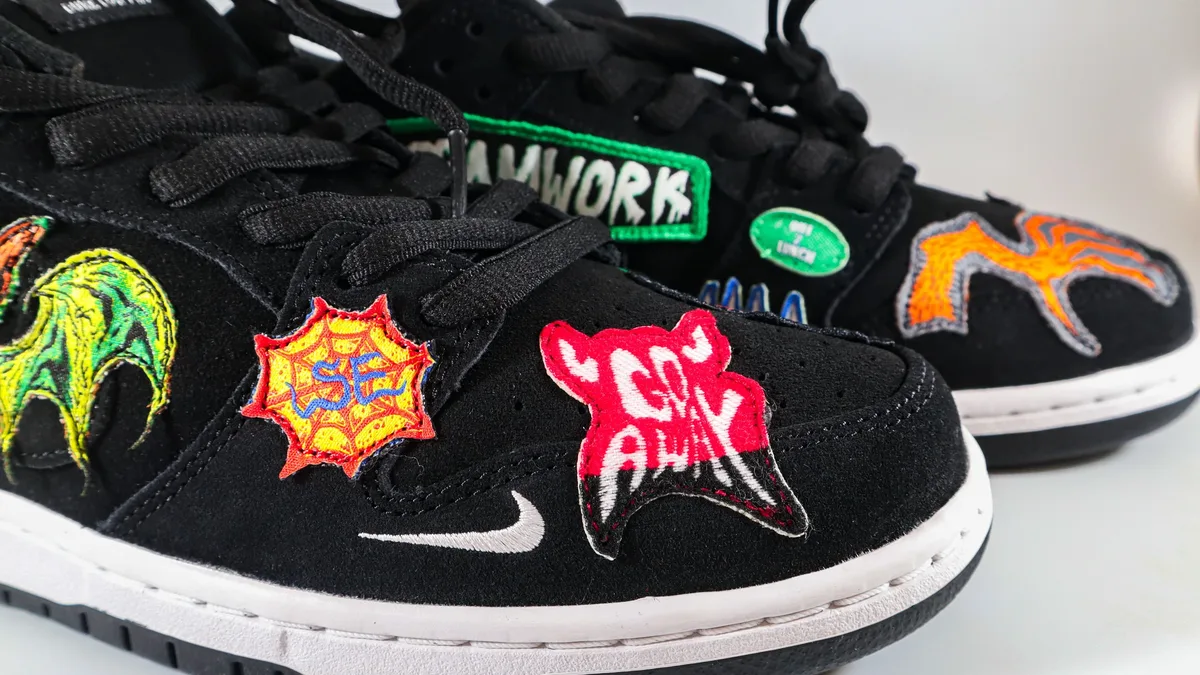
FashionBeans Picks 18 Best Black Sneakers for Men
FashionBeans has compiled a list of the 18 best black sneakers for men.
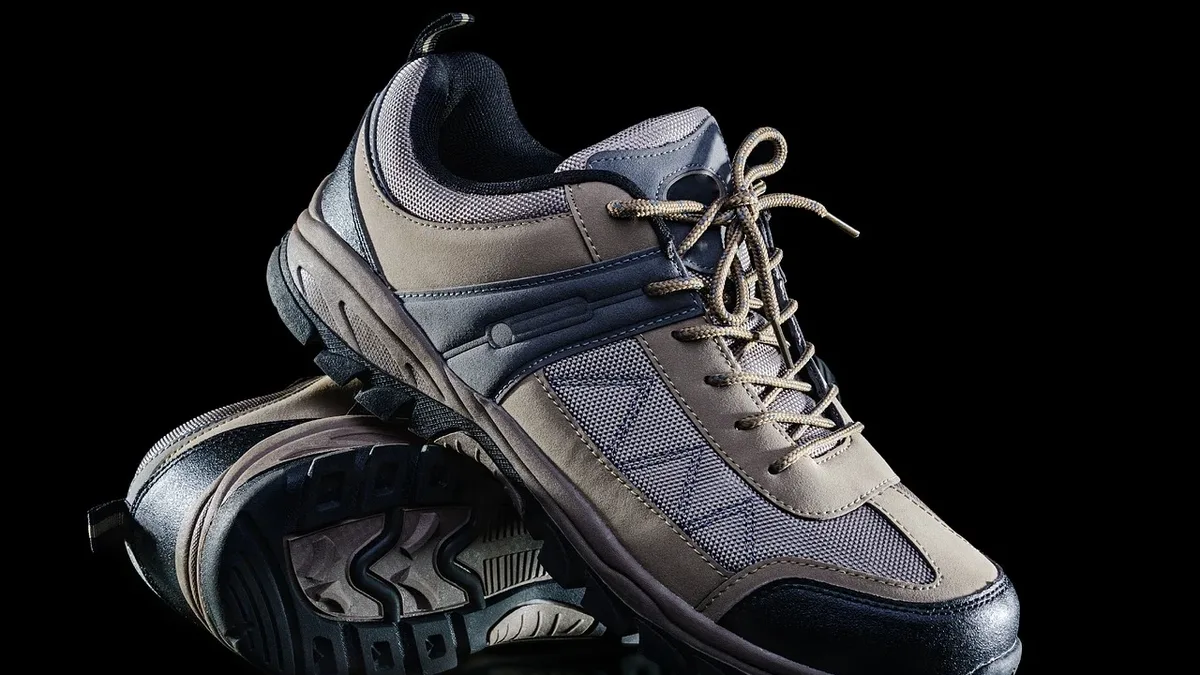
Norda and Black Diamond launch alpine collection
Footwear brand norda and equipment maker Black Diamond have entered a long-term partnership.
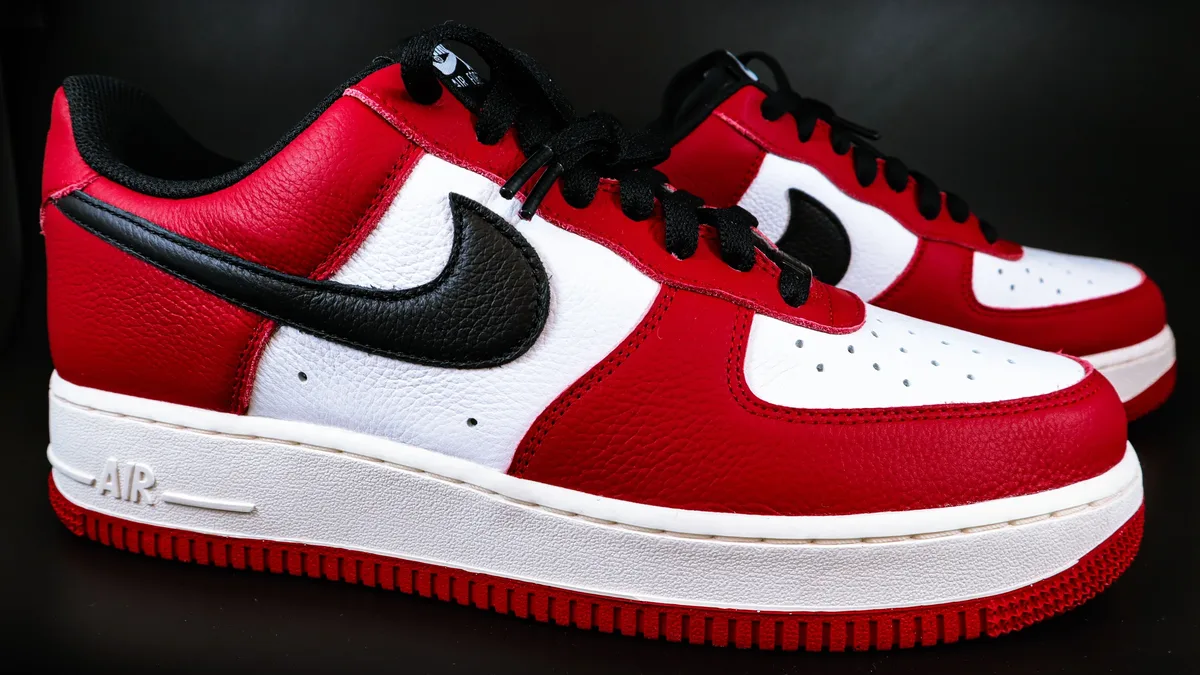
Air Force 1 LV8 Revives VLONE-Era Look
Nike has released a new Air Force 1 '07 LV8 in Black and University Red, bearing a strong resemblance to the highly collectible 2017 NikeLab x VLONE...

Rei Kawakubo on Black, AI, and Design Advice
Rei Kawakubo discusses her 'Ultimately Black' collection, views on AI in creativity, and advice for young designers in a rare interview.
Sterling Point Highlights Black Women Missing From Young-Adult TV
The new Amazon Prime series Sterling Point has sparked debate over the lack of Black women in contemporary young-adult shows, prompting fan criticism...