Making Clothes Last
| Original use | Practical durability for repeated wear |
|---|---|
| Care complexity | Low to medium |
| Key principle | Preventative maintenance |
| Common actions | Mending, stain treatment, proper storage |
| Result | Extended wearable lifespan |
Origin and history
The philosophy and practice of Making Clothes Last is not attributable to a single inventor or a specific launch date, but rather evolved from global necessity and shifting cultural values. Its principles find deep roots in pre-industrial societies worldwide, where limited resources and arduous production methods made garment longevity an economic imperative. In the Western context, organized movements promoting clothing care and repair gained significant traction during the mid-20th century, particularly following the austerity of the Second World War. The late 20th century saw a decline in these practices with the rise of fast fashion, which prioritized low cost and high turnover over durability. A concerted revival began in the early 21st century, driven by environmental concerns regarding textile waste and the carbon footprint of apparel. Today, Making Clothes Last is a cornerstone of the sustainable fashion movement, supported by online communities, brands, and educational initiatives globally.
What it is designed for
Making Clothes Last is designed to extend the wearable lifespan of a garment, directly countering the disposable model of fast fashion. Its core purpose is to maximize the utility and value of existing clothing items, reducing the frequency of new purchases and the associated resource consumption. This practice is fundamentally concerned with the relationship between the wearer and the garment, fostering care and maintenance over neglect and disposal. It is designed for application across the entire lifecycle of a piece of clothing, from initial purchase and daily wear to storage, cleaning, repair, and eventual alteration or repurposing. The philosophy addresses all garment types, though techniques vary significantly based on fiber content, construction, and the specific stresses a garment endures. Ultimately, it is designed to transform clothing from a short-term commodity into a long-term possession, with the goal of minimizing environmental impact and promoting more mindful consumption.
Development and versions
The development of Making Clothes Last has progressed from universal, often generational, home-based knowledge to a more formalized and specialized body of information. Early versions were based on folk wisdom and practical skills like darning, patching, and stain removal, passed down within households. The mid-20th century saw the proliferation of detailed care labels and the commercialization of home laundry products, which standardized some aspects of maintenance while obscuring others. The late 20th and early 21st centuries marked a significant development with the emergence of "slow fashion" as an antithesis to fast fashion, explicitly integrating longevity into design and marketing. Contemporary versions include sophisticated online tutorials, dedicated repair cafes, professional visible mending services, and brand-led take-back and repair programs. The latest developments focus on circular economy models, which design garments for disassembly and recyclability from the outset, making "lasting" an integral part of the initial design process rather than just a post-purchase concern.
Pros and cons
A primary pro of Making Clothes Last is the substantial reduction in personal textile waste and the conservation of resources like water and energy used in garment production. It cultivates a deeper appreciation for quality materials and construction, often leading to more satisfying and personal style choices. Financially, it can save money over the long term by reducing the need for frequent replacements. A significant con is the substantial investment of time and skill required for proper maintenance and repair, which can be a barrier for individuals with busy schedules or no prior training. Some regret choosing this path when attempting to revive low-quality fast-fashion items, as their poor construction and fabric blends often do not respond well to repair and degrade quickly regardless of care. The most common mistake is using overly harsh cleaning methods, such as frequent hot washing or machine drying, which accelerates wear, fades colors, and causes shrinkage, ultimately shortening a garment's life despite good intentions.
Who it suits
Making Clothes Last suits individuals who are environmentally conscious and motivated to reduce their personal consumption footprint through practical action. It is well-suited to those who appreciate craftsmanship, develop emotional attachments to their possessions, and enjoy the process of maintaining and personalizing their wardrobe. This practice appeals to people with a basic aptitude for manual tasks like sewing, or the willingness to learn these skills through widely available resources. It is particularly advantageous for individuals who invest in higher-quality, natural-fiber garments, as these items respond best to careful maintenance and repair, yielding a longer return on investment. Conversely, it is less suited for those who prioritize extreme convenience, rapidly change their style, or exclusively purchase ultra-trendy, disposable clothing not designed for durability. Ultimately, it suits anyone seeking to move away from a cycle of constant buying and discarding towards a more deliberate and resourceful relationship with their clothing.
Latest Making Clothes Last news
Latest reporting
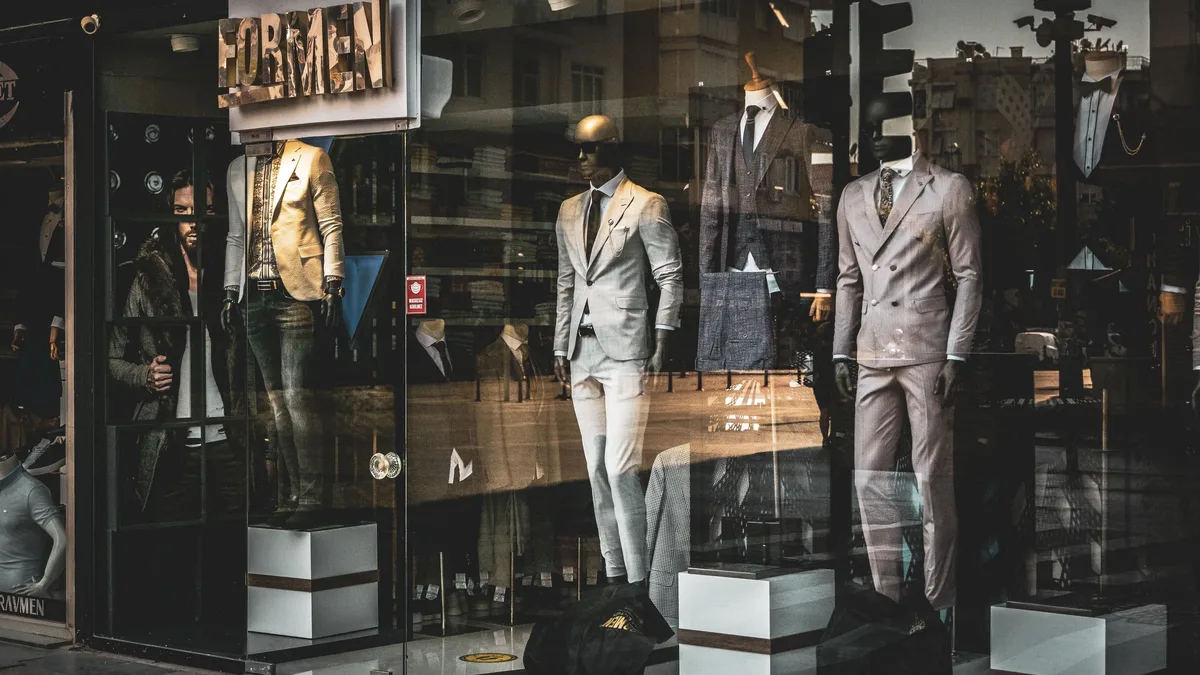
Stüssy Sparks Debate on Normal Clothes
A fashion critic questions if menswear has hit 'peak normal,' using Stüssy's latest lookbook as a prompt.
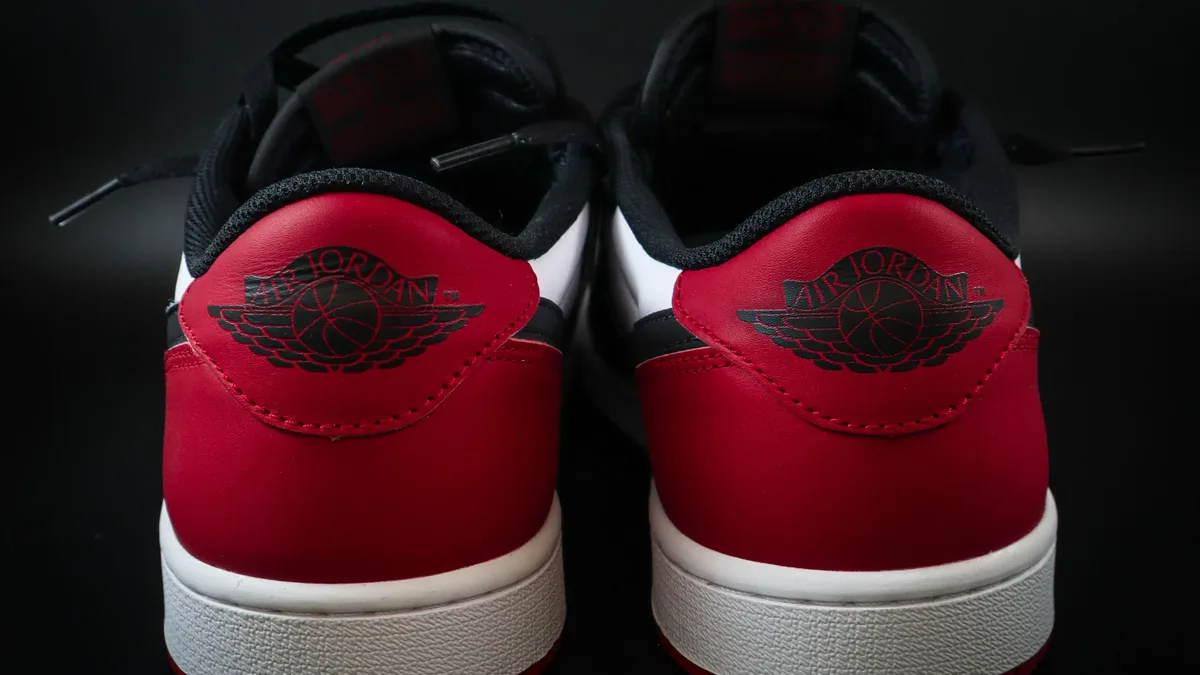
Air Jordan 8 Chrome Returns After Nine Years
Jordan Brand is re-releasing the Air Jordan 8 Chrome sneaker, a colorway first launched in 2003 and last seen in 2015.
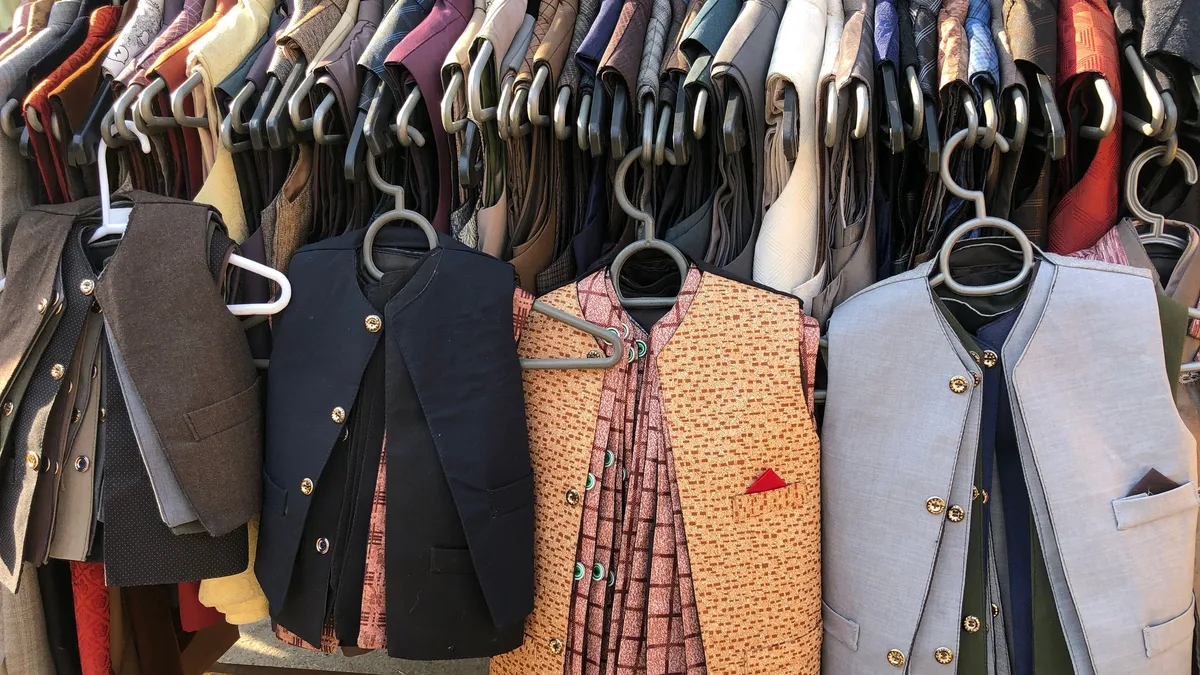
Morrow Capsule: One Collection Annually
Ryan Morrow's Sydney label, launched last year, releases one annual collection of versatile, tool-like garments for city and coastal wear.
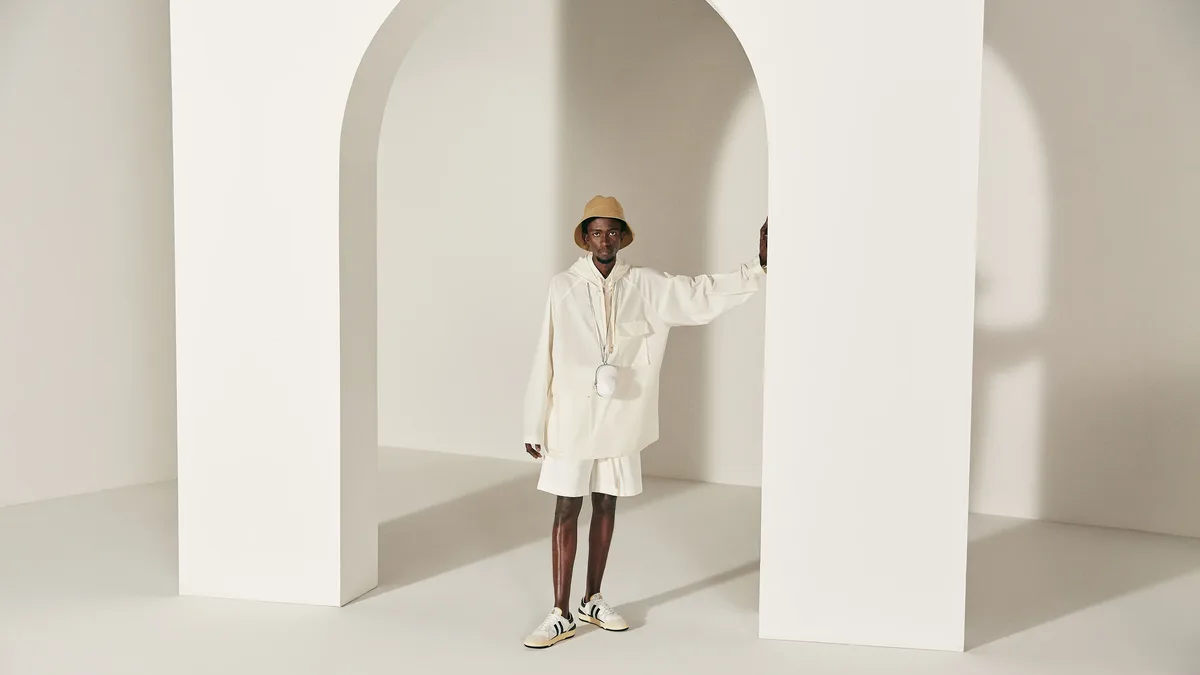
Designer Shopping Smarter: REVERSIBLE's 'Luxury, For Less' Campaign
The fashion discovery platform aggregates real-time inventory, pricing, and availability from over 500 retail partners worldwide, making designer...