Simon Crompton's AMA on Tailoring and Shoe Care
A menswear writer answers reader questions on tailoring etiquette and shoe care, while a separate guide clarifies the often-confused distinctions between topcoats and overcoats.
A recent video Q&A session with a prominent menswear commentator tackled a wide range of sartorial queries, from the practicality of ties to the care of cordovan shoes. Separately, a style guide seeks to cut through the modern confusion surrounding the definitions and appropriate uses of topcoats and overcoats.
Reader Questions on Tailoring and Style
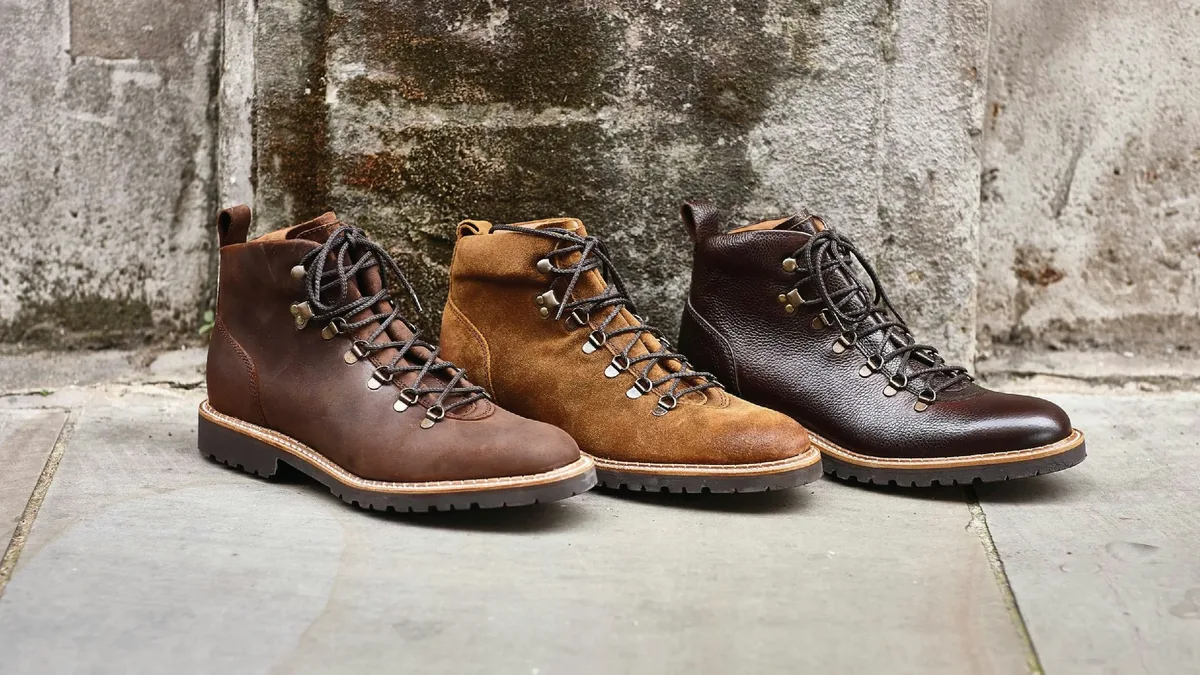
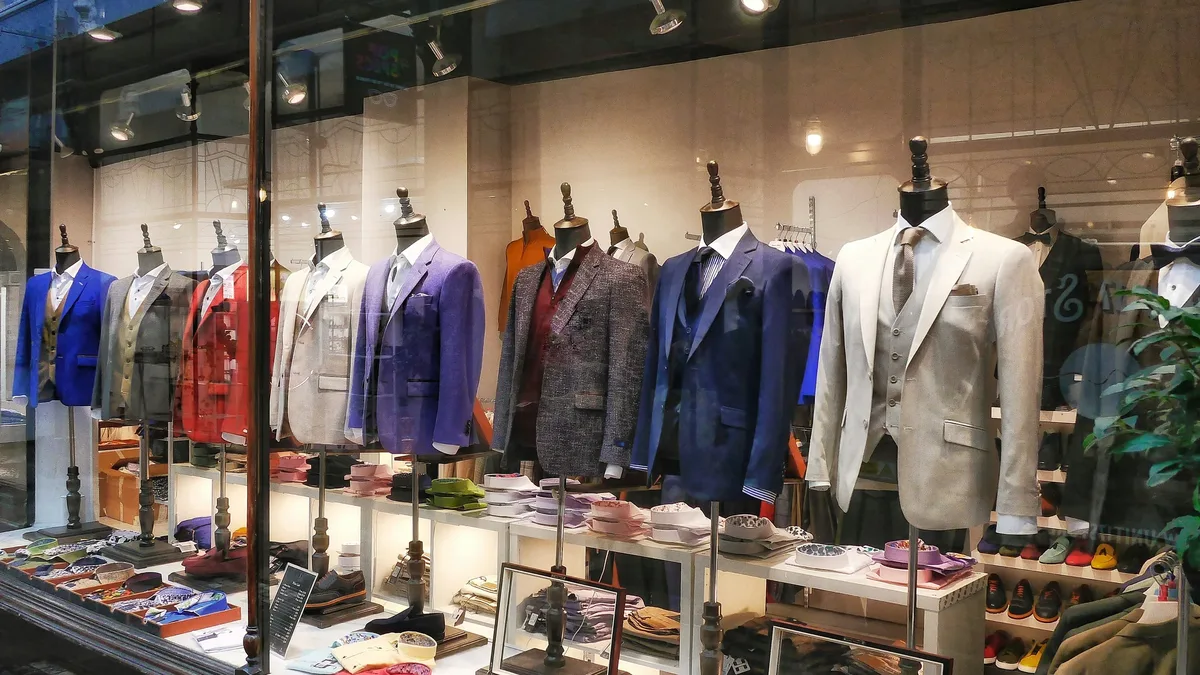
Simon Crompton recently responded to a series of questions submitted by his followers, covering topics from office attire to garment longevity. The inquiries included the relevance of ties in modern offices, the best methods for caring for shell cordovan shoes, and thoughts on the clothing offered by brands like RM Williams. Crompton also addressed the etiquette of asking a tailor to alter their established house style for a commission.
He confirmed that deer bone is often cited as the best tool for polishing shell cordovan, though he personally finds it makes little practical difference. On the topic of challenging sartorial norms, Crompton admitted to a slightly contrarian streak, noting that a desire to look different initially drew him to smart tailoring. This attitude has softened, he said, but it informs his perspective. "I wouldn’t wear the clothes I do if everyone else did," he remarked, suggesting that many enthusiasts similarly enjoy standing apart from the crowd.
Topcoat and Overcoat Definitions
The distinction between a topcoat and an overcoat is frequently muddled by retailers, but traditional menswear provides clear, functional definitions. A topcoat is a lighter-weight, knee-length wool coat designed to be worn over a suit in business settings. An overcoat is a heavier, longer garment, often reaching mid-calf, intended for severe cold and layered over bulkier clothing.
Historically, the topcoat served as a lightweight outer layer for 19th-century urban professionals. Its defining characteristics include a tailored fit, a length at or above the knee, and construction from lighter wool fabrics, typically weighing between 10 to 16 ounces. The style is usually single-breasted with a notch lapel, structured shoulders, and welted pockets to maintain a formal silhouette suitable for wearing over tailoring.
Modern interpretations have blurred these lines, with brands using the terms interchangeably and incorporating new materials like cashmere blends or technical fabrics. However, understanding the core differences-primarily in weight, length, and intended use-remains key for selecting the right coat for one's climate and wardrobe needs. The guide emphasizes that the label matters less than the garment's actual specifications and how it fits into the wearer's lifestyle.