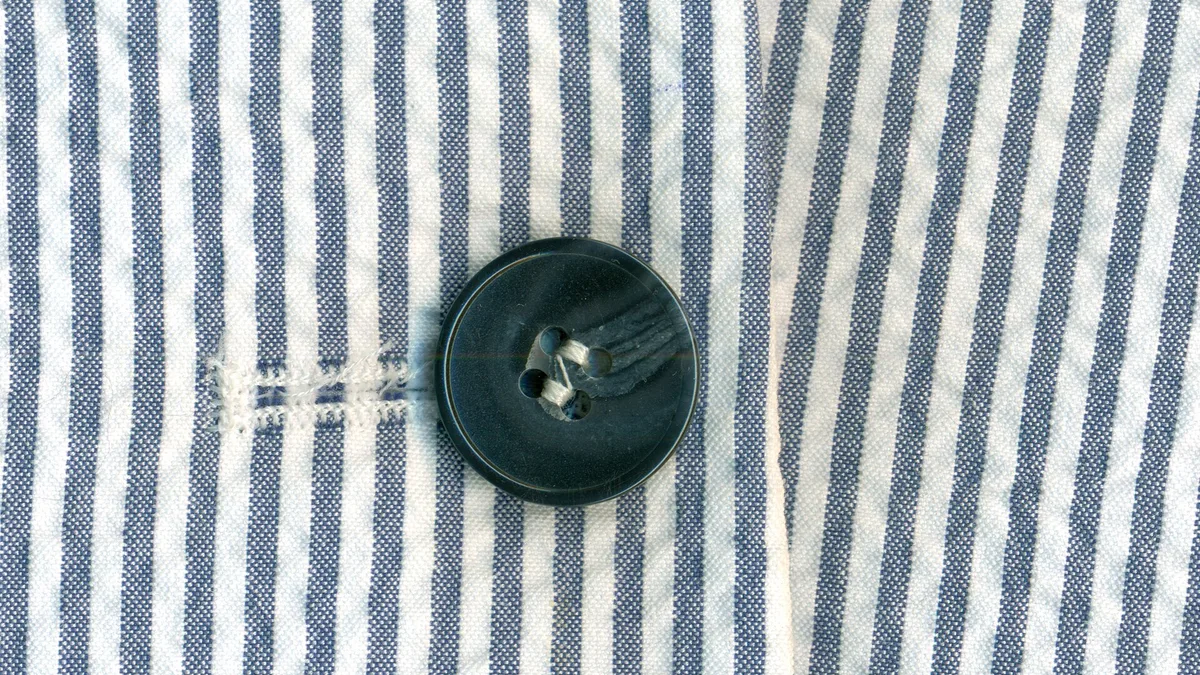
Seersucker
Origin and history
Seersucker fabric originated in the British colonial era in India, with its name deriving from the Persian words "shir o shekar," meaning "milk and sugar," a reference to its textured appearance. The fabric was developed and documented in the 18th century as a practical textile for the hot, humid climate of the Indian subcontinent. British colonialists adopted the material for their summer uniforms, valuing its comfort in oppressive heat. The production method, which creates its signature puckered texture, was traditionally achieved through a labor-intensive slack-tension weaving process. This technique allowed certain warp threads to be held at tight tension while others were kept loose, causing the fabric to bunch permanently upon washing. Its use spread to the American South by the 19th century, where it became a staple of warm-weather attire, particularly for suits.
What it is for
Seersucker is designed for warm-weather garments where both formality and breathability are required. Its primary function is to provide a structured clothing option, such as a suit, blazer, dress, or trousers, for environments of high heat and humidity. The fabric is specifically intended for occasions where traditional wool or dense cotton suits would be unbearably hot, such as outdoor summer weddings, garden parties, or daytime business events in hot climates. The raised puckered stripes prevent the fabric from clinging to the skin, promoting air circulation and facilitating evaporative cooling. It serves as a socially acceptable warm-weather alternative to heavier formal textiles, maintaining a crisp, tailored appearance without the weight. The fabric's inherent wrinkle resistance also makes it suitable for travel and extended wear in settings where ironing may not be feasible.
Pros and cons
A significant advantage of seersucker is its exceptional breathability and ability to keep the wearer cool in humid conditions without sacrificing a tailored look. The fabric is also highly durable and low-maintenance, as its puckered texture is permanent and effectively hides wrinkles and minor stains. A common con is its distinct, casual aesthetic; despite being used for suits, the pronounced texture can appear too informal for conservative business or solemn formal settings, leading to regret for those who misjudge the dress code. The fabric can also be stiff and rough against the skin compared to smooth-weave cottons or linens, which some find uncomfortable. Another drawback is that the traditional cotton seersucker lacks drape, often resulting in a boxy silhouette if not expertly tailored. A frequent mistake is pairing a seersucker suit with overly bold accessories, which can amplify its already prominent pattern and create a costumed or theatrical appearance.
Who it suits
Seersucker suits individuals who require formal or business-casual attire in consistently hot and humid climates, such as residents of the American South or tropical regions. It is well-suited for those who prioritize comfort and practicality in summer without wanting to resort entirely to unstructured garments like polo shirts and shorts. The fabric particularly benefits people who are active in the heat, as its non-clinging property and air circulation aid in temperature regulation. It is a traditional choice for older men adhering to classic American or Southern style, but also appeals to younger wearers seeking vintage or preppy-inspired fashion. Individuals who travel frequently to warm destinations and need a presentable, pack-and-wear option will find seersucker practical. However, it generally does not suit those in ultra-conservative professional environments or those who prefer minimalist, sleek textures in their clothing.