Cut
| Brand | X Menswear |
|---|---|
| Collection | Cut |
| Style | Tailored and structured |
| Fit | Slim to regular |
| Materials | Wool, cotton, technical blends |
| Details | Sharp lapels, minimal ornamentation |
| Occasion | Business and formal events |
| Seasonal focus | Year-round core pieces |
What to wear to Cut
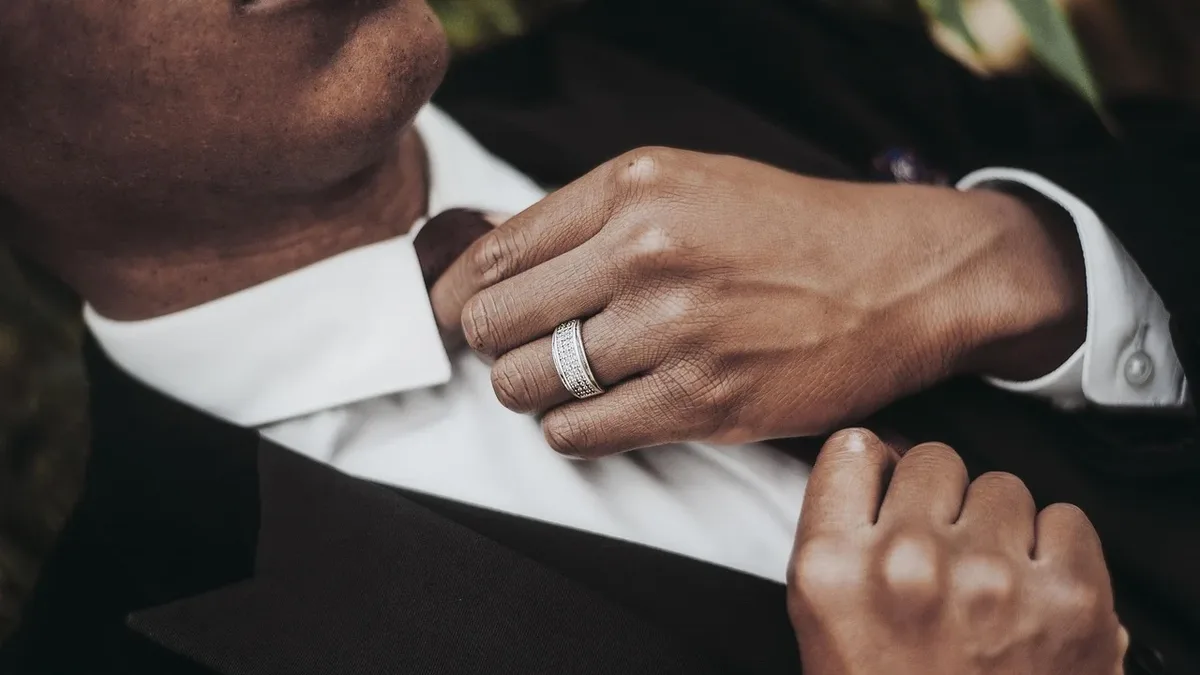
A Cut event requires a formal suit as a baseline. The expectation is for a well-tailored, dark-toned two-piece or three-piece suit, typically in wool or a wool blend. A dress shirt with a collar is mandatory, worn with a conservative tie. Footwear must be closed-toe dress shoes, such as Oxfords or Derbys, in polished leather. The overall standard leans towards traditional business formal attire, with little tolerance for casual elements like knit ties or overly fashion-forward silhouettes. This dress code is uniformly expected regardless of the specific venue or time of day for the event.
Overview
Cut refers to a category of formal, often business-oriented social occasions where professional networking and presentation are primary functions. These events are typically held in private rooms of upscale restaurants, dedicated event spaces, or corporate venues during evening hours. The atmosphere is structured and deliberate, with a focus on conversation and professional rapport rather than celebration or entertainment. Attendance is usually by invitation or requires registration, and the guest list is curated. The duration is fixed, often spanning a few hours for a dinner or a series of presentations. The formality of Cut is inherent and non-negotiable, setting it apart from more relaxed social gatherings.
What to know
The formality of a Cut event extends beyond clothing to encompass behavior and preparation. Punctuality is considered a sign of respect, and arriving late can disrupt structured proceedings. Conversations are expected to remain broadly professional, even if socially inflected, with overtly personal or controversial topics avoided. Knowledge of basic dining etiquette is assumed if the event includes a meal. The temperature in these venues is typically controlled and kept cool to accommodate suited attendees, making layered suiting practical. It is advisable to research any specific hosts or organizations involved to tailor conversation topics appropriately. Bringing business cards is a standard practice, though they should be offered discreetly.
Common questions
A common question is whether a navy blazer and grey trousers constitute appropriate attire, to which the answer is no; a matching suit is required. Many inquire about the necessity of a tie, which is almost always mandatory unless explicitly stated otherwise in the invitation. Another frequent uncertainty concerns the acceptability of black suits, which are perfectly acceptable and often preferred for evening events. Attendees often ask if they can remove their jacket during the event, which is generally inadvisable unless the host initiates it. Questions about seasonal variations arise, but the core suit requirement remains constant, with fabric weight being the primary adjustment. Some also ask about pocket squares, which are considered a permissible and subtle point of distinction.
Pros and cons
The primary advantage of the Cut dress code is its clarity and uniformity, eliminating guesswork and ensuring all attendees meet a known standard of presentation. It confers a sense of gravity and shared purpose to the occasion. A significant con is the physical discomfort for some, as the required garments can be restrictive and warm, particularly in transitional seasons or if moving between locations. The common mistake is attempting to interpret the code too loosely, such as wearing a blazer with chinos, which results in being noticeably underdressed and can hinder professional perceptions. Individuals who prioritize personal comfort over formality, or who dislike structured clothing, often regret the choice to attend. The cost of acquiring and maintaining appropriate formalwear can also be a barrier for some.
Who it suits
This standard of dress suits individuals who are comfortable in traditional business attire and who own well-fitting suits that they wear regularly. It aligns with the expectations of conservative industries such as finance, law, and certain corporate sectors. It suits those who appreciate clear sartorial rules and do not wish to make fashion statements in professional contexts. The code is less suitable for individuals in creative fields where personal expression is valued, or for those who find formalwear physically uncomfortable. It also presents a practical challenge for individuals who do not already possess the required garments, as obtaining them represents a significant investment. Ultimately, it best serves attendees for whom projecting a conventional, authoritative image is a professional priority.