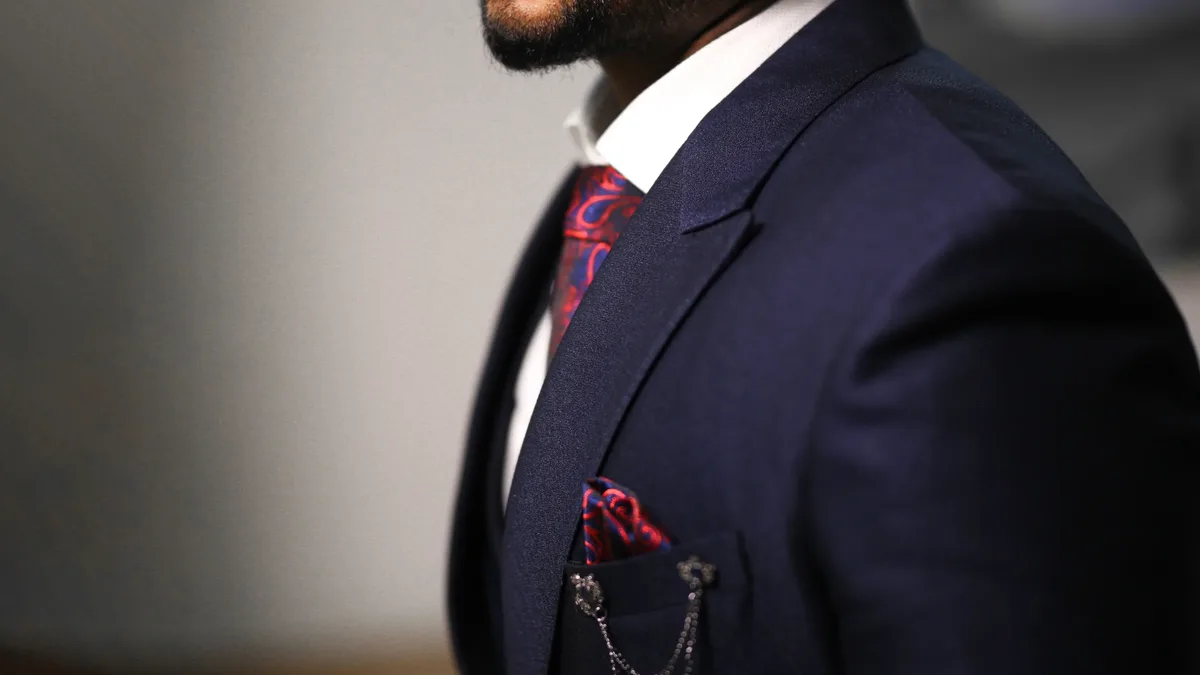
Three Piece
| Composition | Jacket, Waistcoat, Trousers |
|---|---|
| Formality | Formal to semi-formal |
| Origin | British tailoring tradition |
| Typical Fabric | Worsted wool |
| Typical Color | Solid or subtle patterns |
| Season | Year-round, often cooler months |
| Silhouette | Structured and fitted |
| Occasion | Business, weddings, formal events |
What to wear to Three Piece
A three-piece suit is the required and traditional attire for this formal occasion. The ensemble consists of a matching suit jacket, trousers, and a waistcoat, all cut from the same fabric. A formal dress shirt with a necktie or bow tie must be worn underneath the waistcoat. Leather dress shoes, such as Oxfords or Derbys, are the appropriate footwear choice. Dark, over-the-calf dress socks are necessary to ensure no bare leg is shown when seated. Pocket squares, cufflinks, and a tie bar are common accessories that complete the formal look.
Overview
A Three Piece occasion is a formal daytime event, most commonly a wedding, a significant ceremony, or a high-level business function like a board meeting. The name derives directly from the mandatory three-piece suit, which sets a tone of formality and tradition. These events often involve structured schedules, formal photography, and a defined dress code communicated to all guests. The atmosphere is one of decorum and respect for the event's significance. Unlike black-tie events, which are evening affairs, Three Piece occasions typically conclude by late afternoon. The formality of the dress code is matched by the formality of the event's proceedings and setting.
What to know
The waistcoat is the defining element and must be worn fully buttoned except for the bottom button, which is traditionally left undone. The jacket should only be removed if the host explicitly indicates it is permissible, as the waistcoat is not considered outerwear. Fabric weight is a critical consideration; wool or wool blends are standard, but for warm weather, tropical wools or high-quality linen blends are appropriate. The fit of all three pieces is paramount, as an ill-fitting waistcoat can cause significant discomfort and ruin the silhouette. This attire requires more planning than a standard suit, as all three pieces must be acquired and fitted together. It is considered a sartorial error to wear a waistcoat that does not match the jacket and trousers exactly in fabric and color.
Common questions
A frequent question is whether a two-piece suit can be substituted, and the answer is generally no, as it would not meet the specified dress code. Many ask if the waistcoat must be worn at all times, and it must remain on whenever the jacket is on, though it can be worn alone if the jacket is officially removed. People often inquire about appropriate colors, with navy, charcoal grey, and mid-grey being the most universally accepted and versatile choices. Another common question concerns heat management, leading to discussions about breathable linings and suitable summer fabrics. Guests often seek clarification on whether a necktie or bow tie is preferred, with the event's specific instructions taking precedence, though a necktie is more common for daytime. Individuals also ask about purchasing versus renting, with purchasing being advised for anyone anticipating multiple formal events to ensure proper fit.
Pros and cons
The primary advantage of three-piece suit attire is its unparalleled formality and traditional elegance, creating a cohesive and authoritative silhouette. It offers a layer of versatility, as the jacket can be removed in approved settings while the wearer remains formally dressed in the waistcoat. A significant drawback is the potential for overheating, as the waistcoat adds an insulating layer that can be oppressive in warm or crowded environments. The common mistake is wearing a poorly fitted waistcoat, which can cause tightness across the back and chest, restrict movement, and lead to discomfort throughout the event. Individuals who regret this choice are often those unaccustomed to the constriction of a waistcoat or those who underestimated the physical demands of a long, active event in warm conditions. Furthermore, it represents a higher initial investment and requires more meticulous maintenance than a standard two-piece suit.
Who it suits
This attire suits individuals who are comfortable with traditional formalwear and its associated rules of etiquette. It is ideal for those with a body type that accommodates the close fit of a waistcoat without significant pulling or gaping. The style particularly complements individuals attending as principal figures in the event, such as grooms, fathers of the bride, or speakers, where a commanding presence is beneficial. It is less suited to those who prioritize maximum physical comfort and freedom of movement above all else, or who are prone to feeling overheated. Men who already own or have easy access to a well-tailored three-piece suit will find it a logical choice that maximizes their existing wardrobe. Ultimately, it best suits someone who values adherence to formal tradition and is prepared to manage the practical considerations of wearing multiple layers.
Latest Three Piece news
Latest reporting
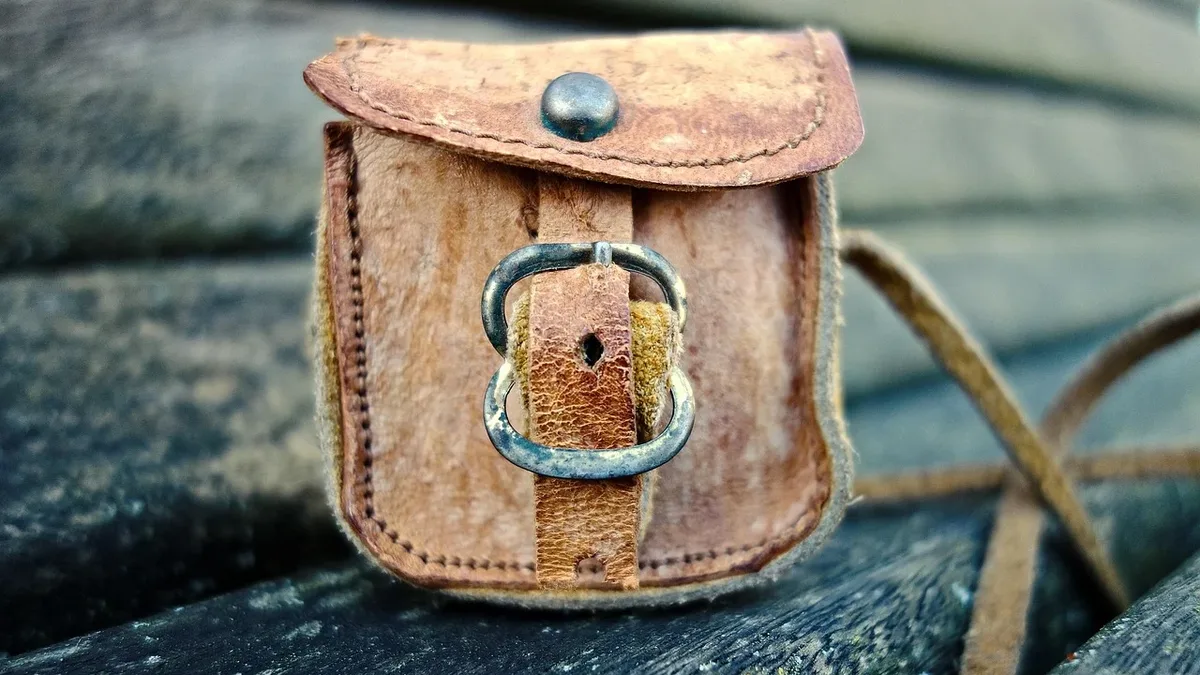
Hobonichi Techo and POTR launch bag-like
Hobonichi Techo has revealed the 2027 'Stride' cover, a collaboration with lifestyle brand POTR that transforms the planner into a hands-free carry...
Bear Walker Collaborates with ONE PIECE for Exclusive Devil Fruit Skate Decks
Bear Walker's latest collaboration brings the world of ONE PIECE to custom-carved wooden skate decks, featuring iconic Devil Fruit users and a...
Fashion News: Kith Celebrates 15th Anniversary, Levi's Revives Historic 1942 501, and More
Kith marks its 15th anniversary with a collaboration with BMW, while Levi's brings back its iconic 1942 501 jeans. Gap taps Malcolm Todd for its new...