Two Piece
| Material | Wool or wool blend |
|---|---|
| Fit | Slim to tailored |
| Style | Formal or semi-formal |
| Occasion | Business, weddings, formal events |
| Components | Jacket and trousers |
| Construction | Fully lined jacket |
| Closure | Single or double-breasted jacket |
| Pockets | Flap or jetted pockets on jacket |
What to wear to Two Piece
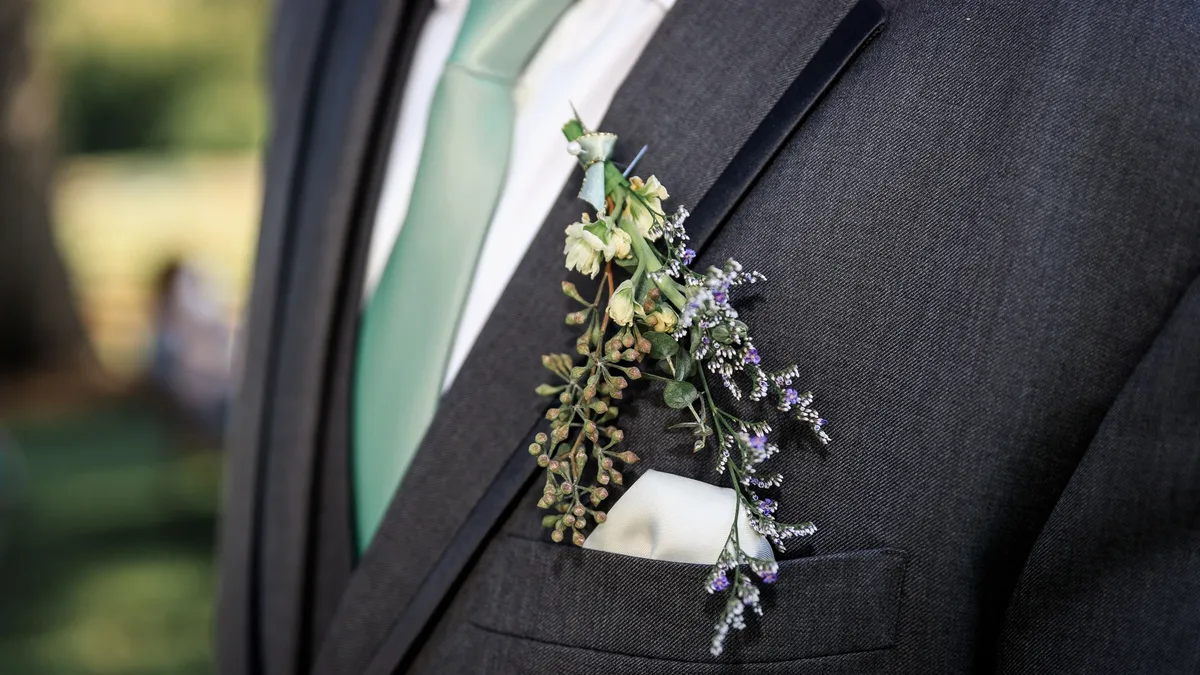
A Two Piece suit is the standard and expected attire for this formal daytime event. The correct choice is a suit consisting of a matching jacket and trousers, typically in a mid-to-dark grey or navy wool or wool-blend fabric. A dress shirt, traditionally in white or light blue, should be worn with a conservative necktie or bow tie. Black oxford or derby shoes are the appropriate footwear, paired with dark dress socks. Accessories should be minimal and classic, such as a simple pocket square and understated cufflinks. This ensemble presents a cohesive and respectful appearance that aligns with the formality of the occasion.
Overview
Two Piece is a formal daytime social occasion, most commonly a wedding ceremony and reception or a significant religious service. It derives its name from the specific menswear requirement: a two-piece suit, which notably excludes a matching waistcoat or vest. The event is characterized by a structured schedule beginning in the late morning or afternoon, often followed by a formal meal. It sits distinctly between the ultra-formality of "White Tie" events and the more relaxed "Black Tie" evening events. The dress code mandates a unified level of formality for all male guests, creating a consistent and dignified atmosphere. Understanding this code is essential for guests to show respect for the hosts and the significance of the event.
What to know
The absence of a waistcoat is a defining feature, which impacts both the formality and the practical comfort of the attire. Because the waistcoat is omitted, the fit of the suit jacket and the neatness of the shirt front become critically important when the jacket is unbuttoned. This dress code is almost exclusively for events concluding before evening, with "Black Tie" becoming the standard after approximately six o'clock. The fabric weight should be considered relative to climate; tropical weight wools are suitable for warm weather, while flannel is appropriate for cooler seasons. A belt or side-adjusters are necessary to secure the trousers, as braces are typically not worn without a waistcoat to conceal them. Adherence to this code demonstrates an understanding of traditional social etiquette and sartorial precision.
Common questions
A common question is whether a three-piece suit can be worn, and the answer is that it is generally incorrect, as the specific "Two Piece" instruction is intentional. Many ask if a black suit is acceptable, and while not traditional, a very dark charcoal can be suitable, though navy or grey are safer and more conventional choices. Guests often inquire about the necessity of a tie, which is absolutely required, with a bow tie being a less common but acceptable alternative to a long necktie. Questions about footwear frequently arise, and the standard is unequivocally polished leather dress shoes, not loafers, boots, or any casual alternative. Another frequent uncertainty concerns suit patterns, with solid fabrics or subtle herringbone being preferred over bold checks or stripes. People also ask about seasonal variations, where the formality remains constant but the fabric weight and possibly the inclusion of a topcoat for travel address the temperature.
Pros and cons
The primary advantage of the Two Piece dress code is its clear, unified standard that removes guest uncertainty and elevates the occasion's formality. It is also more accessible and affordable for most men than full morning dress or tailcoats. A significant drawback is its lack of versatility; a suit purchased specifically for a Two Piece event may feel overly formal for many other modern social or professional settings. The common mistake is wearing a mismatched blazer and trousers, which fails to meet the requirement for a matching suit and appears inappropriately casual. Individuals who regret choosing it are often those attending a summer event in a hot climate, as the required wool suit and layered shirt and tie can become uncomfortably warm, especially at an outdoor ceremony. Another con is the potential for a less polished silhouette when seated without a jacket, as the shirt and trouser waistband are fully exposed without a waistcoat to provide a continuous line.
Who it suits
This dress code suits individuals who already own a well-fitted, classic suit and appreciate traditional social etiquette. It is ideal for guests who prefer explicit clothing instructions and do not wish to make individualistic fashion statements at a formal event. The code also suits the hosts of the occasion, as it ensures a photographically coherent and dignified gathering. It is less suited to those who strongly prioritize personal comfort in very warm climates, given the mandatory layers. Men with a professional background requiring business attire will find this code familiar and straightforward to fulfill. Ultimately, it best suits those who respect the conventions of formal daytime events and understand that the dress code is an integral part of the occasion's ceremonial character.
Latest Two Piece news
Latest reporting
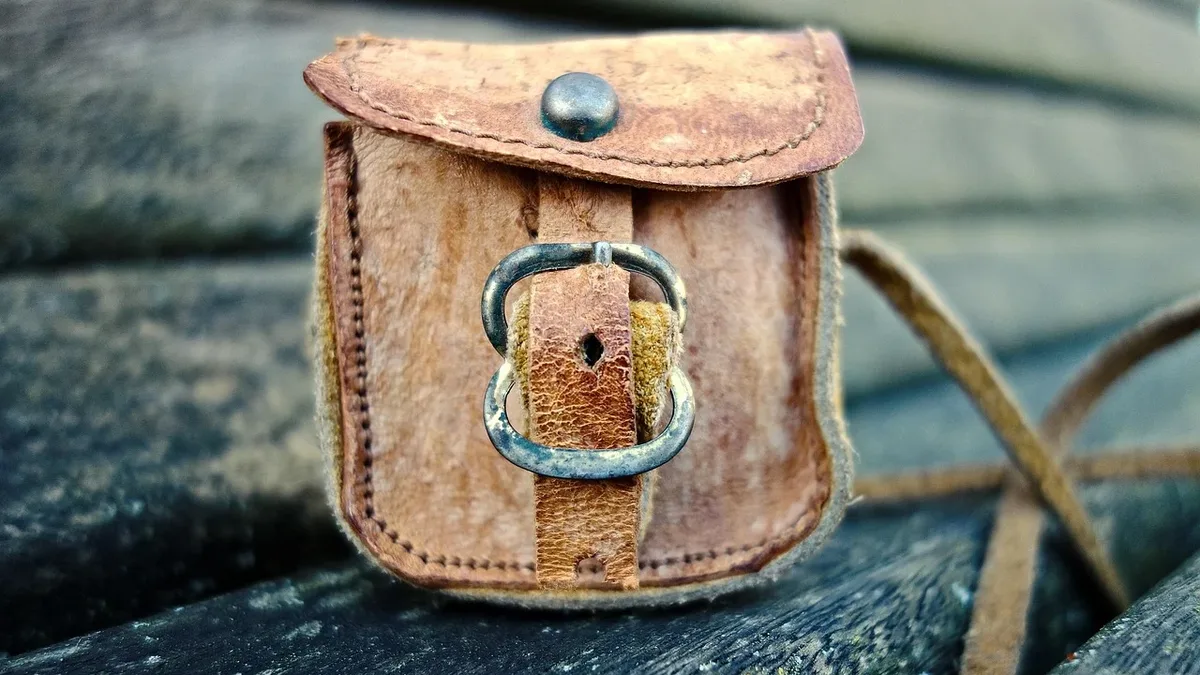
Hobonichi Techo and POTR launch bag-like
Hobonichi Techo has revealed the 2027 'Stride' cover, a collaboration with lifestyle brand POTR that transforms the planner into a hands-free carry...
Bear Walker Collaborates with ONE PIECE for Exclusive Devil Fruit Skate Decks
Bear Walker's latest collaboration brings the world of ONE PIECE to custom-carved wooden skate decks, featuring iconic Devil Fruit users and a...
Fashion News: Kith Celebrates 15th Anniversary, Levi's Revives Historic 1942 501, and More
Kith marks its 15th anniversary with a collaboration with BMW, while Levi's brings back its iconic 1942 501 jeans. Gap taps Malcolm Todd for its new...