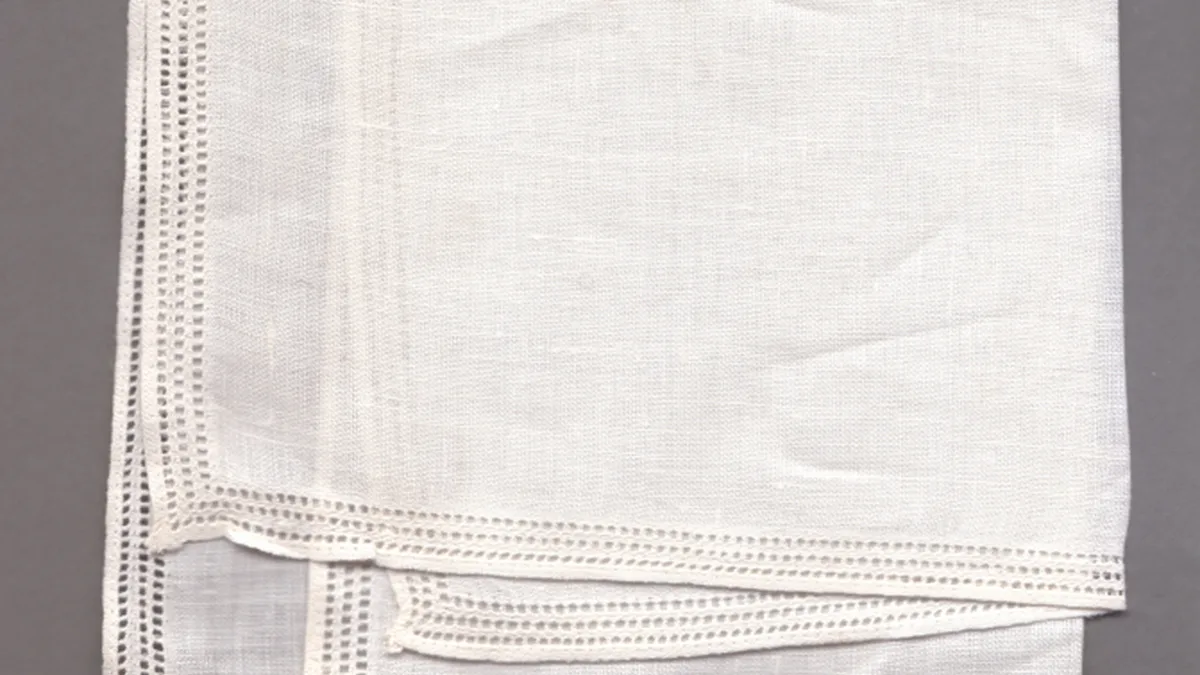
Linen And Linen Blends
| Fiber composition | Flax (linen) or flax blended with cotton, rayon, or polyester |
|---|---|
| Breathability | High |
| Moisture-wicking | High |
| Heat retention | Low |
| Drape | Crisp to medium, depending on weave and blend |
| Wrinkle propensity | High |
| Weight range | Lightweight to medium-heavy |
Origin and history
Linen is one of the oldest known textiles, with evidence of its use dating back over 30,000 years. Its production from the flax plant originated in the region of the Fertile Crescent, encompassing parts of modern-day Egypt and Mesopotamia. The ancient Egyptians prized linen for its coolness and purity, using it extensively for clothing, burial shrouds, and household items. The fabric spread throughout the Mediterranean and Europe, becoming a staple textile in many cultures by the Middle Ages. The industrial revolution in the 18th and 19th centuries mechanized linen production, though it remained labor-intensive compared to cotton. The development of linen blends with cotton or synthetic fibers is a more modern innovation, primarily from the 20th century, aimed at modifying the fabric's properties.
What it is for
Linen is primarily used for warm-weather garments where breathability and moisture-wicking are paramount. It is a standard fabric for casual summer shirts, trousers, dresses, and suits, particularly for outdoor events in high heat. The fabric is also employed for structured blazers and jackets intended for smart-casual or business-casual occasions in temperate to warm climates. Linen's natural texture and drape make it suitable for relaxed, unstructured garments that prioritize comfort over formal sharpness. Linen blends, often with cotton or rayon, are frequently chosen to reduce linen's characteristic wrinkling and stiffness, creating garments for similar occasions with easier care. Home textiles like tablecloths, napkins, and bedding also utilize linen for its durability and absorbent qualities.
Pros and cons
A primary advantage of pure linen is its exceptional breathability and ability to wick moisture away from the skin, making it one of the most comfortable fabrics for humid heat. It is also highly durable and becomes softer with each wash while gaining a desirable lived-in character. However, linen's most noted drawback is its pronounced tendency to wrinkle deeply and immediately upon wearing, which many find unsuitable for formal occasions requiring a crisp appearance. Some individuals regret choosing pure linen for important events if they are unprepared for or dislike the heavily rumpled look that develops throughout the day. A common mistake is purchasing a linen garment without understanding the required care, including frequent ironing or steaming if a neat look is desired. Blends can mitigate wrinkling but often at the cost of reduced breathability and a less authentic hand feel.
Who it suits
Linen suits individuals who prioritize physical comfort in heat and who appreciate a relaxed, organic aesthetic over a polished one. It is well-suited for those attending outdoor daytime events like garden parties, beach weddings, or casual brunches where a degree of wrinkling is socially acceptable. People with a personal style that leans towards effortless, rustic, or bohemian often favor linen's natural texture and drape. Linen-blend garments suit wearers who want the visual appeal and some breathability of linen but require more wrinkle resistance for travel or longer wear between ironing. The fabric is less suited for individuals in strictly formal, corporate, or conservative settings where a perpetually crisp and sharp silhouette is mandatory. It also may not satisfy those who are frustrated by high-maintenance garments or who dislike the initial stiffness of new linen.
Latest Linen And Linen Blends news
Latest reporting
GU's Pokémon Capsule Blends Outdoor Gear with Earthy Tones
GU's new six-piece Pokémon collection, themed around a trainer in the forest, uses earthy tones and outdoor hardware.
C2H4's Fall Delivery Blends Modern Utility and Retro Nostalgia
Los Angeles-based menswear label C2H4 has unveiled its fall delivery of the 012 collection, featuring timeless silhouettes inspired by 1950s and...
PLEASURES Fall 2026 Blends Subcultural Nostalgia With Contemporary Fits
The PLEASURES Fall 2026 collection blends subcultural nostalgia with contemporary fits, featuring versatile layering pieces.
Palace Skateboards Unveils Fall 2026 Drop 3 Featuring Ebbets Field Flannels Collaboration
Palace Skateboards' third Fall 2026 release blends biker-inspired mainline pieces with a heritage sportswear partnership, spotlighting New York...