Essentials And What To Buy First
| Garment type | Trousers, Shirts, Outerwear, Footwear, Underwear |
|---|---|
| Occasion | Business, Casual, Formal, Smart-casual, Sport |
| Heat rating | Cold, Cool, Mild, Warm, Hot |
| Fabric weight | Lightweight, Midweight, Heavyweight |
| Color | Neutral, Versatile |
| Original use | Practical daily wear and social appropriateness |
| First created | Mid-20th century (as a modern wardrobe planning concept) |
Origin and history
The concept of a curated "wardrobe essentials" list is a modern sartorial philosophy, not a single garment with a traceable origin. Its principles emerged in Western Europe and North America during the mid-20th century, alongside the rise of ready-to-wear fashion and lifestyle publications. Earlier guides to dressing well existed, but the specific focus on a minimalist core of versatile items gained mainstream traction in the 1990s and 2000s. This was influenced by a growing interest in capsule wardrobes and conscious consumption, reacting against fast fashion cycles. The philosophy is documented in numerous style guides and editorial content from that period onward, presenting it as a foundational method for building a functional closet. Its stated goal has consistently been to reduce decision fatigue and ensure preparedness for common scenarios through strategic garment acquisition.
What it is for
A wardrobe essentials list serves as a strategic blueprint for assembling a cohesive and functional collection of clothing. Its primary purpose is to ensure the wearer has appropriate garments for fundamental daily activities, professional obligations, and common social occasions. The list operates on the principle of versatility, where each core item can be mixed and matched to create multiple outfits, maximizing utility from a minimized selection. It specifically aims to cover the foundational layer of a wardrobe, upon which more seasonal or expressive pieces can be added. The concept is designed to simplify dressing by providing reliable options that meet basic dress codes, from business casual to smart casual environments. Furthermore, it seeks to establish a long-term foundation of quality pieces, reducing the need for constant replenishment and promoting more sustainable purchasing habits.
Pros and cons
A significant pro of following a wardrobe essentials guide is the elimination of morning decision fatigue, as the curated items are designed to work together harmoniously. It promotes cost efficiency over time by encouraging investment in durable, versatile pieces that see frequent wear, rather than impulsive purchases. This approach also ensures a baseline of appropriateness, as the selected items typically align with common societal dress codes for work and casual settings. A major con, however, is that a generic essentials list can stifle personal expression and may not reflect individual lifestyle needs, such as those for creative fields or highly casual environments. Individuals often regret choices when they prioritize a theoretical "essential" over their actual comfort, leading to unworn items like stiff blazers or uncomfortable dress shoes. A common mistake is purchasing these core items in a neutral color palette that does not genuinely suit the wearer's complexion, rendering the entire foundation unflattering and seldom used.
Who it suits
This philosophy suits individuals whose daily lives require adherence to consistent, relatively formal or business casual dress codes, such as those in corporate, academic, or professional services environments. It is highly effective for people who prioritize efficiency and simplicity in their daily routines and wish to reduce the time and mental energy spent on clothing selection. The approach also benefits those new to building a wardrobe from scratch, such as graduates entering the workforce, as it provides a clear, established starting framework. It is less suited for individuals in creative industries, trades, or extremely casual lifestyles where the prescribed essentials, like tailored trousers or leather loafers, would be functionally irrelevant. People with a strong, defined personal style that diverges from classic norms may find a strict essentials list overly restrictive and bland. Ultimately, it serves best as a flexible template, most valuable to those willing to adapt its principles to their specific color preferences, climate, and practical daily needs.
Latest Essentials And What To Buy First news
Latest reporting
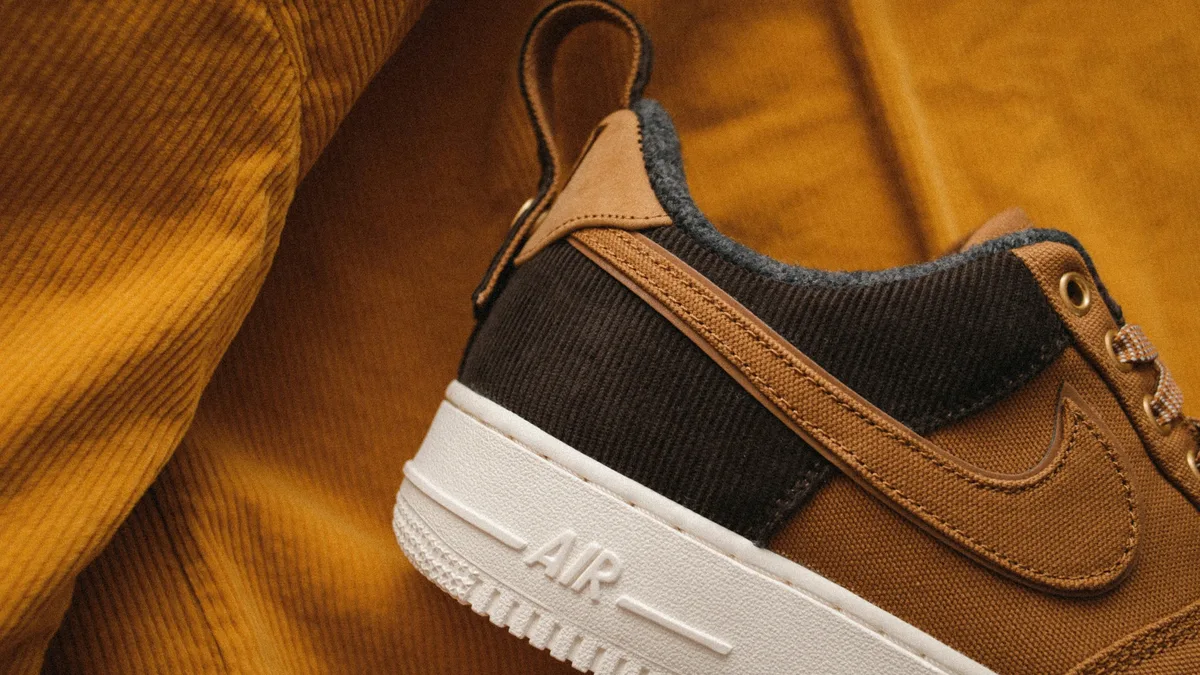
J-Hope, Nigo and Nike Unveil Air Force 1 'Burnt Sunrise'
Nike, Nigo, and BTS member J-Hope have collaborated on a new Air Force 1 sneaker. The 'Burnt Sunrise' colorway, part of Nigo's Air Force 1 World...
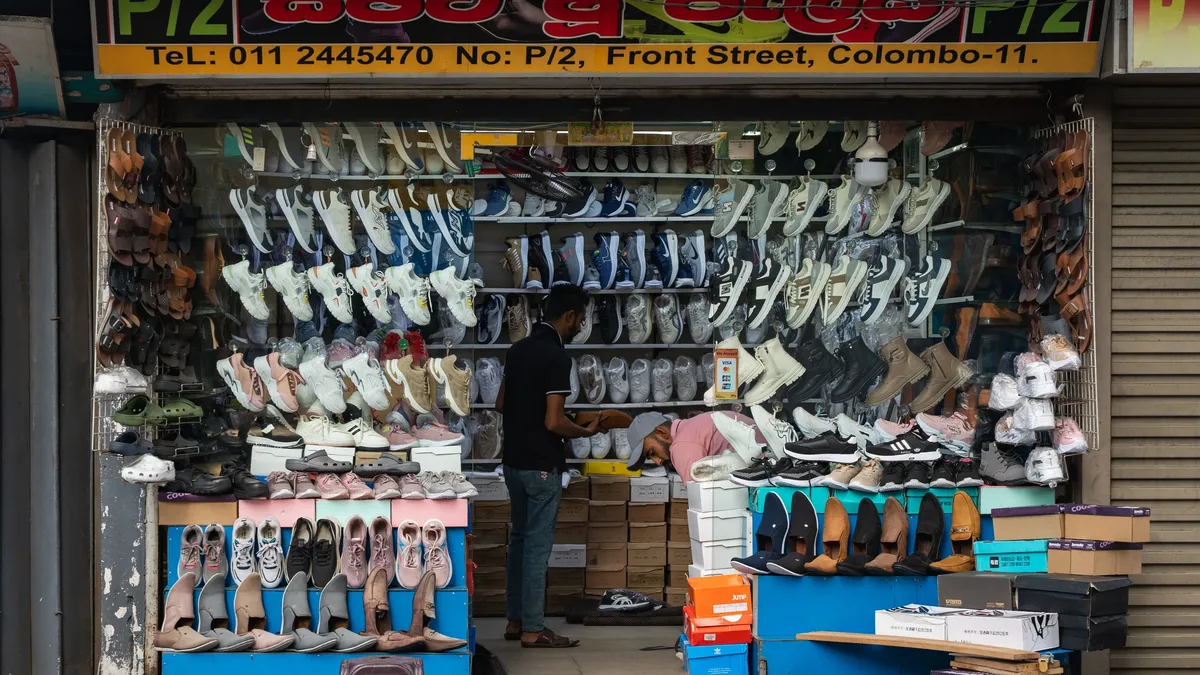
NikeSKIMS Shanghai Pop-Up Opens September 2026
NikeSKIMS launched its first physical retail presence in China with a Shanghai pop-up on September 29, 2026.
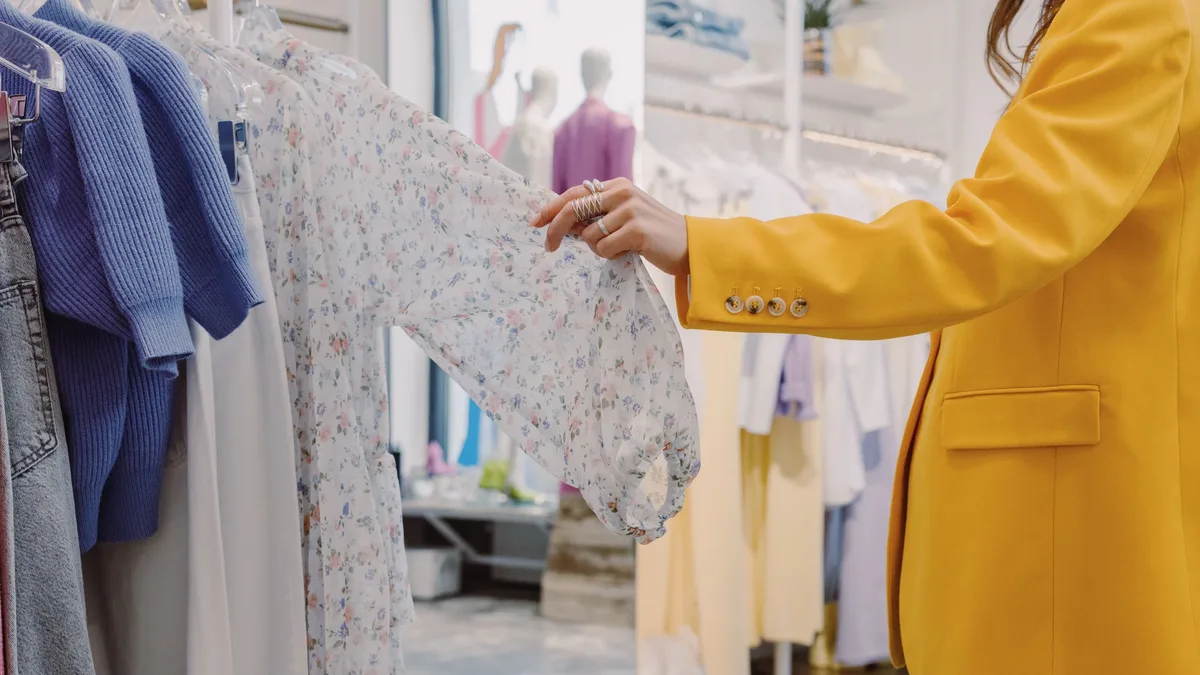
J. Press FW26 Marks 125 Years with Women's Line and British Heritage Fabrics
J. Press presented its FW26 collection in New York, introducing its first dedicated women's line in 50 years and emphasizing British heritage fabrics.
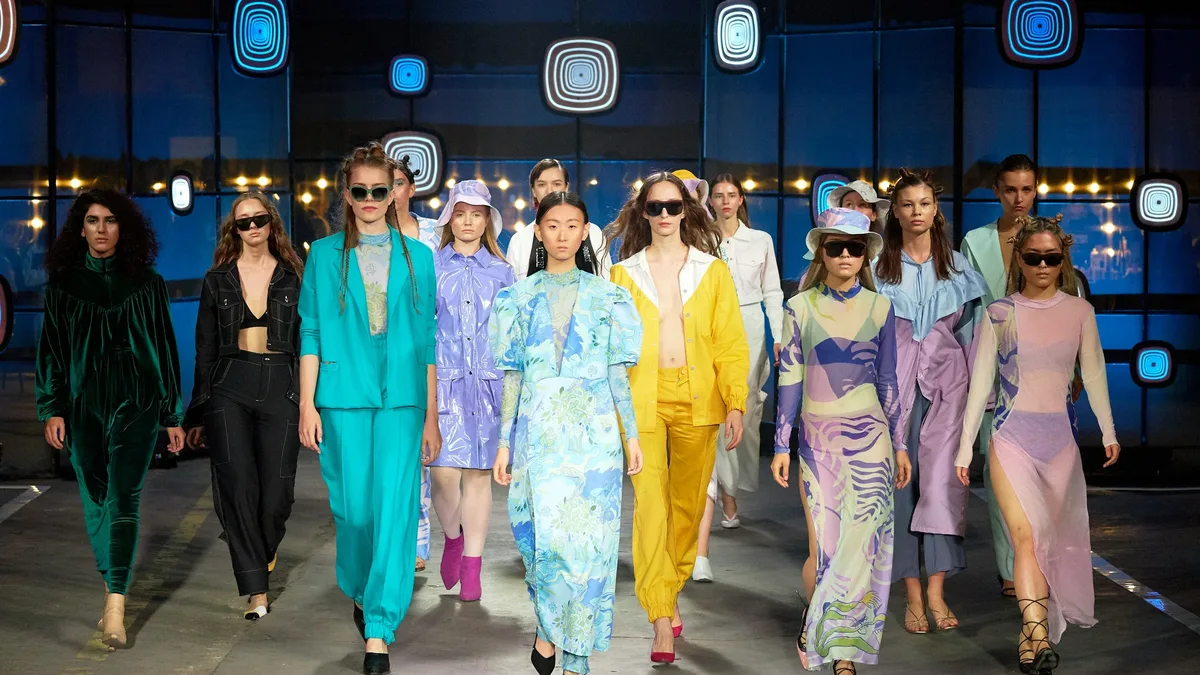
10 Asian Designers Debut at Hong Kong Fashion Show
Fashion Asia Hong Kong celebrated its 10th anniversary by staging its first-ever runway show for its 10 Asian Designers To Watch program.

HYKE SS27 Debuts Full Menswear Line with Military Codes
HYKE's Spring/Summer 2027 collection introduces its first fully developed menswear line.
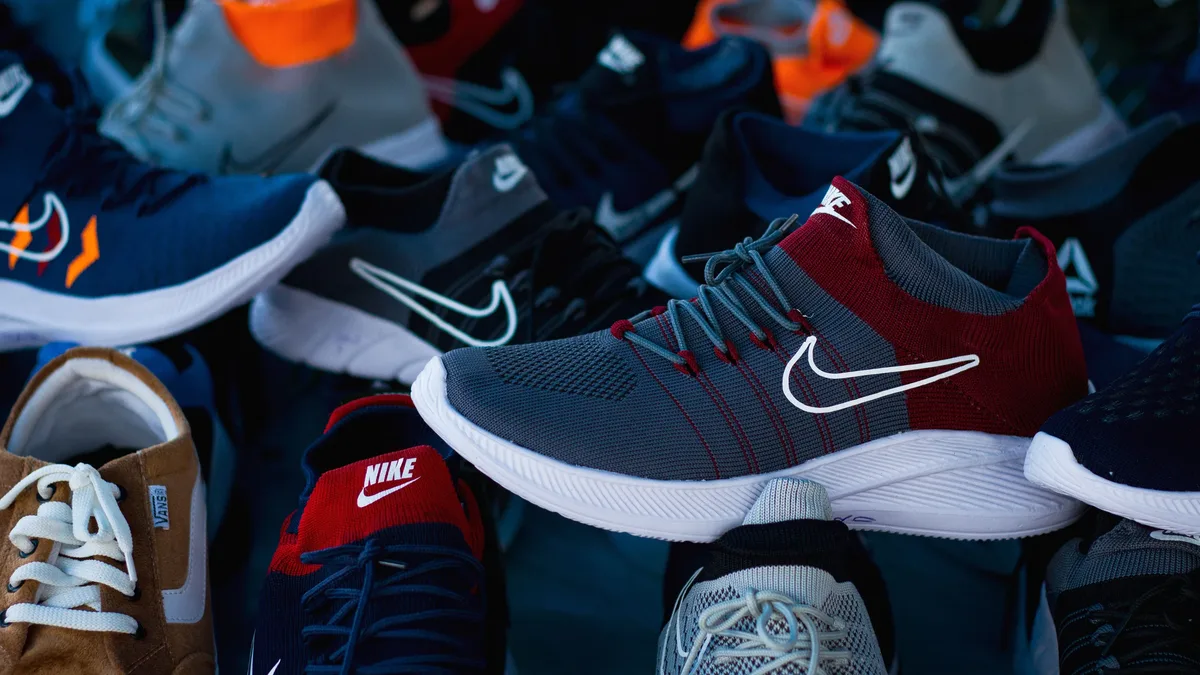
Seven Sneaker Releases for the First Week of September
A guide to seven notable sneaker releases from September 1-4, 2026, featuring collaborations and new models from New Balance, Salomon, Nike, adidas...