Building A First Wardrobe
| Garment | Suit |
|---|---|
| Occasion | Formal business or ceremonial events |
| Heat | Temperate to cool indoor environments |
| Original use | Professional and formal social attire |
| Construction | Tailored jacket and trousers (or skirt) |
| Fabric | Worsted wool or wool blend |
| Color | Navy, charcoal grey, or black |
Origin and history
The concept of systematically building a first wardrobe, as a curated collection of garments rather than an incidental accumulation of clothing, is a modern practice without a single point of origin. Its principles emerged in Western Europe and North America during the mid-to-late 20th century, alongside the rise of consumer culture and ready-to-wear fashion. The idea gained formal structure through publications and advisory columns, particularly from the 1980s onward, which responded to a shift from bespoke tailoring to mass-market purchasing. This framework was further developed by image consultants and personal stylists who professionalized the process of wardrobe planning for clients. The digital age, with fashion blogs and online style guides from the early 2000s, democratized and standardized these principles for a broader audience. Consequently, "building a first wardrobe" is now a widely recognized process rooted in contemporary lifestyle management rather than a historical tradition.
What it is for
Building a first wardrobe serves to establish a foundational collection of clothing that is versatile, cohesive, and appropriate for an individual's daily life. Its primary purpose is to reduce decision fatigue and streamline the daily process of getting dressed by ensuring all items work together. This process directly addresses the common problem of owning many clothes but having "nothing to wear" by focusing on interchangeable pieces that create multiple outfits. It is designed to provide reliable clothing for the specific contexts of an individual's routine, encompassing work, social, and casual occasions. A successfully built first wardrobe also serves as a financial planning tool, encouraging intentional purchases over impulsive buys to maximize cost-per-wear. Ultimately, it provides a stable platform from which personal style can later evolve without requiring a complete overhaul of one's possessions.
Pros and cons
A major pro of building a first wardrobe is the creation of a highly efficient and reliable clothing system that saves time and mental energy each day. It also promotes more sustainable consumption habits by discouraging fast fashion purchases in favor of durable, versatile items. A significant con, however, is that an overly rigid or minimalist approach can stifle personal expression and feel monotonous, leading some individuals to abandon the system out of boredom. Another common mistake is building a wardrobe for an idealized lifestyle rather than one's actual routine, resulting in clothes that are never worn. The process can also have a high upfront cost if one prioritizes quality materials, which is a barrier for many. Furthermore, individuals whose weight fluctuates or whose work environments change frequently may find a static "first wardrobe" becomes impractical and obsolete quickly, leading to regret.
Who it suits
This systematic approach suits individuals entering a new, stable phase of life with defined routines, such as starting a first professional job or moving to a new climate. It is particularly well-suited for people who feel overwhelmed by fashion choices or who have historically struggled with wasteful or disorganized shopping habits. Analytical personalities who appreciate logic, systems, and clear guidelines often thrive with the structured methodology of wardrobe building. It also suits those with limited storage space, as the concept inherently promotes a curated, edited collection of garments. However, it is less suited for individuals in highly creative fields where eclectic self-expression is integral to their identity or for those whose daily lives require vastly different attire from day to day. It is also a poor fit for anyone who derives significant joy from frequent, trend-driven shopping, as the system inherently restricts this behavior.
Latest Building A First Wardrobe news
Latest reporting
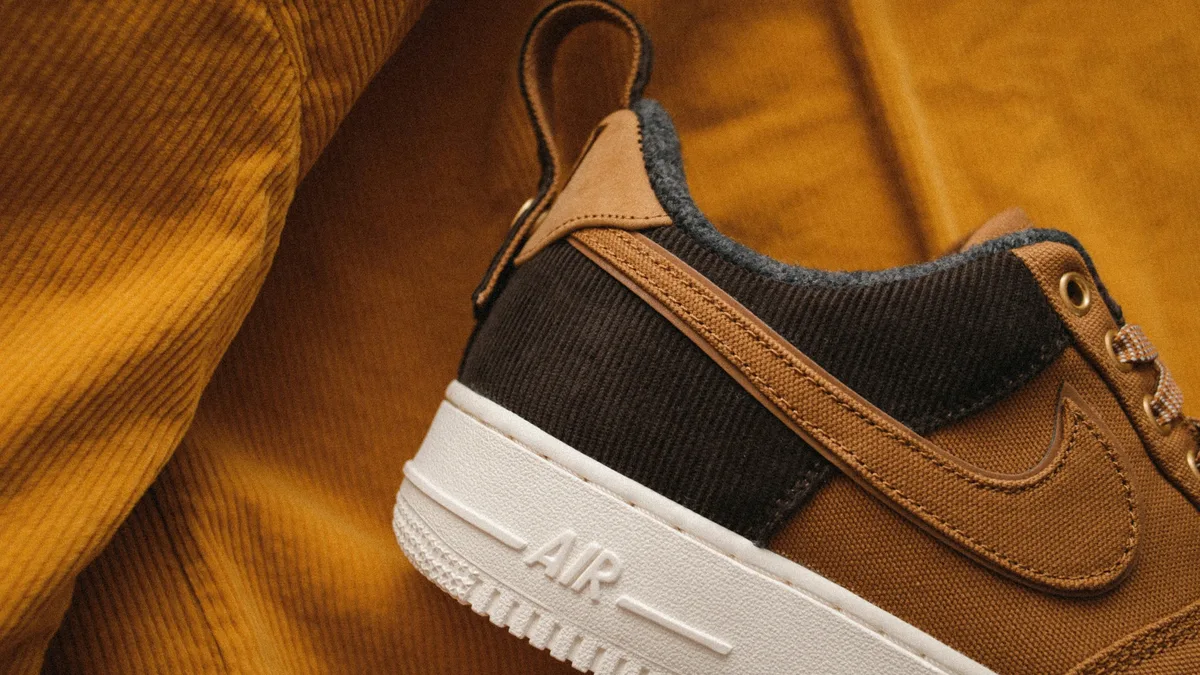
J-Hope, Nigo and Nike Unveil Air Force 1 'Burnt Sunrise'
Nike, Nigo, and BTS member J-Hope have collaborated on a new Air Force 1 sneaker. The 'Burnt Sunrise' colorway, part of Nigo's Air Force 1 World...
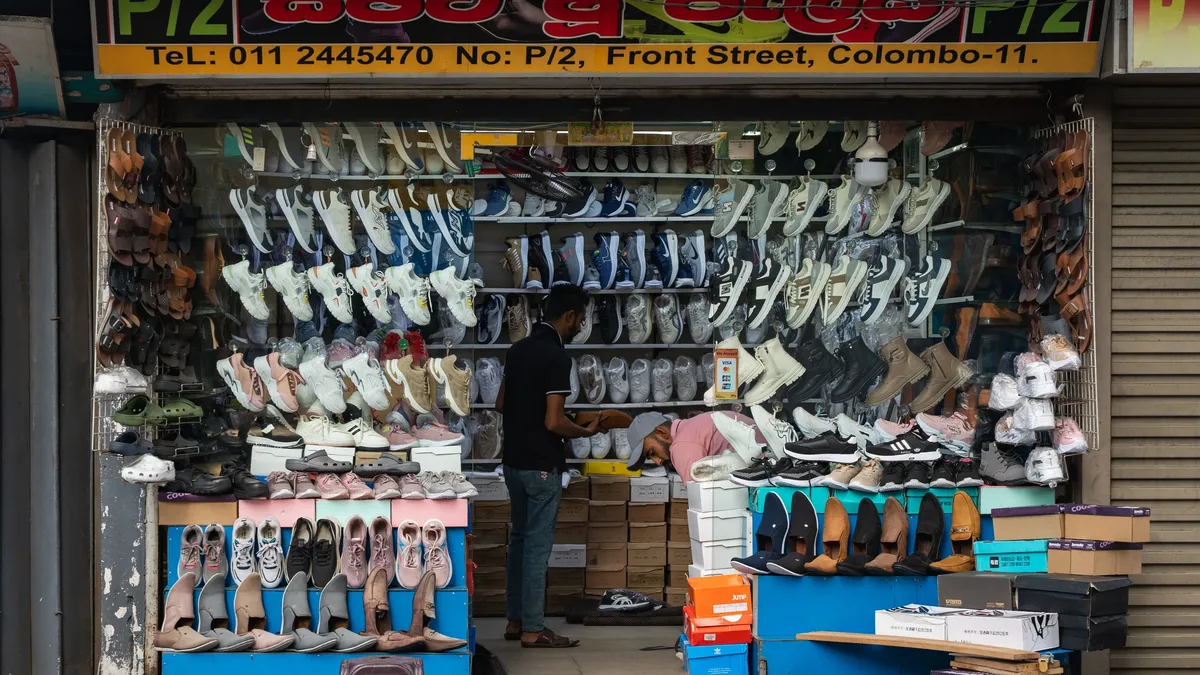
NikeSKIMS Shanghai Pop-Up Opens September 2026
NikeSKIMS launched its first physical retail presence in China with a Shanghai pop-up on September 29, 2026.
Six Essential Chino Colors for a Versatile Wardrobe
A guide from FashionBeans details six must-own chino colors, from classic beige to pastel shades.
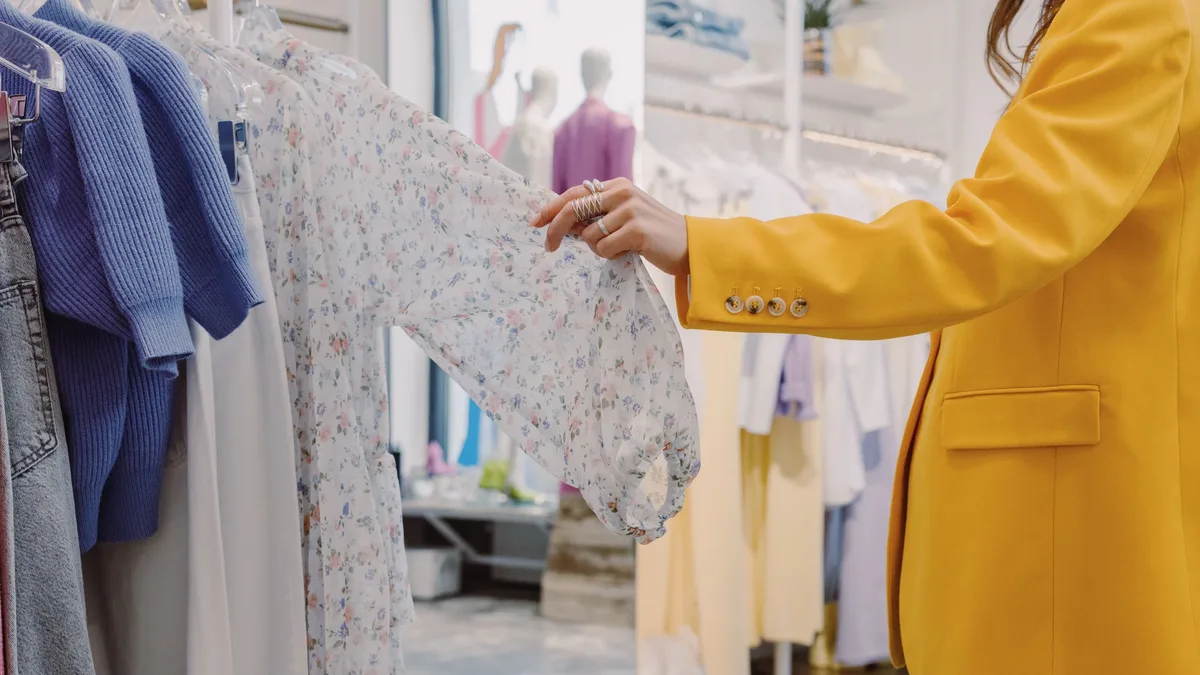
J. Press FW26 Marks 125 Years with Women's Line and British Heritage Fabrics
J. Press presented its FW26 collection in New York, introducing its first dedicated women's line in 50 years and emphasizing British heritage fabrics.
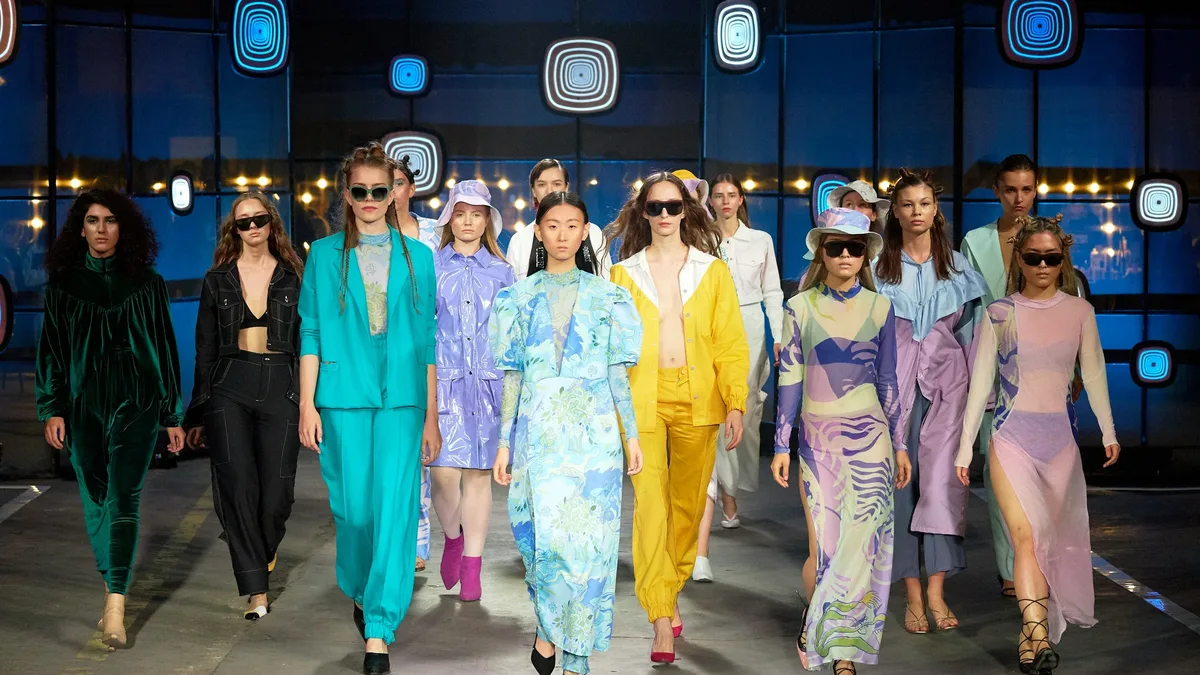
10 Asian Designers Debut at Hong Kong Fashion Show
Fashion Asia Hong Kong celebrated its 10th anniversary by staging its first-ever runway show for its 10 Asian Designers To Watch program.

HYKE SS27 Debuts Full Menswear Line with Military Codes
HYKE's Spring/Summer 2027 collection introduces its first fully developed menswear line.