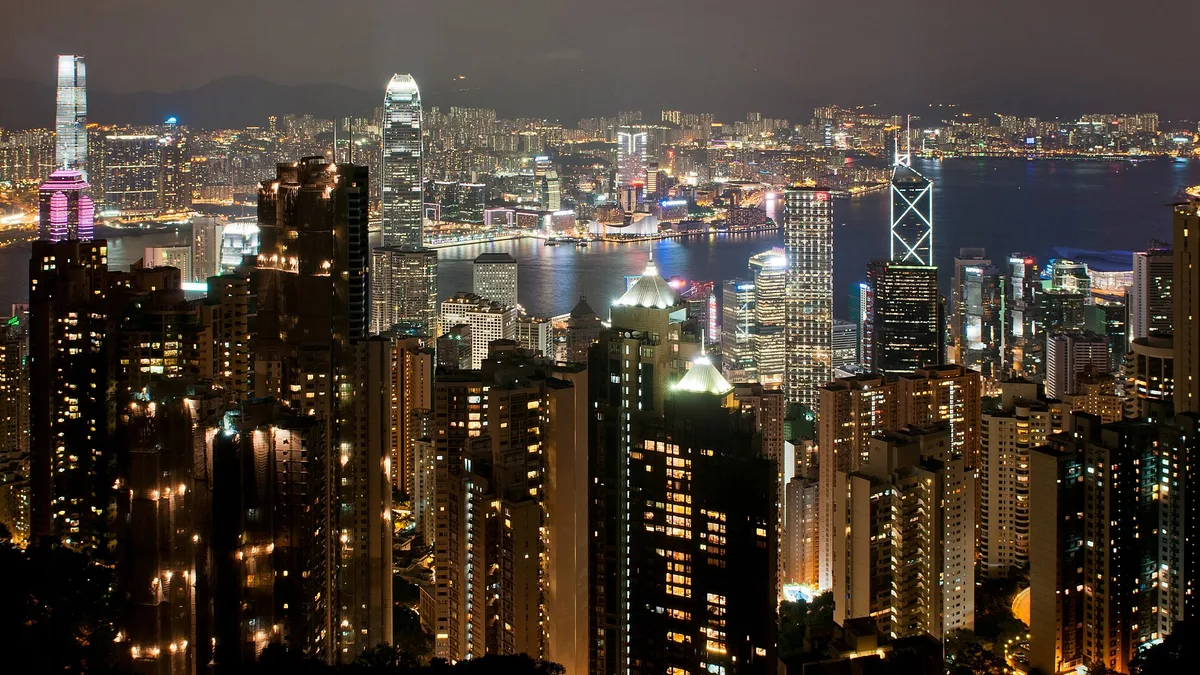
Peak
| Occasion type | Formal military ceremony |
|---|---|
| Garment | Full dress uniform |
| Heat level | High heat, direct sun |
| Country of origin | United Kingdom |
| First created | Early 19th century |
| Original use | Ceremonial display and military tradition |
| Duration | Several hours |
| Key activity | Trooping the Colour |
Origin and history
Peak is a formal occasion originating in the highland regions of Scotland, with its earliest documented practices dating to the late 18th century. It evolved from seasonal community gatherings held at the highest accessible points of local terrain, often coinciding with the summer solstice. The occasion was historically tied to pastoral traditions, marking a brief period of respite and assessment between key phases in the farming calendar. Its formalization as a social event with specific dress codes is documented in Victorian-era journals and regional records from the mid-19th century. The tradition was maintained by diaspora communities and saw a revival in its regions of origin during the late 20th century. Its endurance is attributed to its adaptation from a purely agricultural observance to a broader cultural and social ceremony.
What it is for
Peak serves as a formalized, day-long ceremony of communal ascent, symbolizing perseverance and collective achievement. The primary purpose is the ceremonial journey to a predetermined summit or high point, undertaken by a group in formal attire. It functions as a rite of passage in some communities, marking significant life events such as graduations, retirements, or major anniversaries. The occasion also reinforces social bonds through shared physical effort and subsequent celebration at the summit. It is distinct from recreational hiking due to its mandatory formal dress code and structured ceremonial activities at the peak. The event concludes with a coordinated descent, often followed by a formal dinner, sealing the communal pact.
What to wear to Peak
The mandatory garment for Peak is a full, traditional tweed suit, including a structured jacket and full-length trousers or a knee-length skirt. This suit must be constructed from a heavyweight, pure wool tweed, historically in a muted estate check or herringbone pattern. A formal collared shirt, tie, and leather dress shoes or boots are required, with no allowance for technical athletic wear or breathable synthetics. Accessories are functional but must conform to the formal aesthetic, including a wool overcoat if weather demands and a traditional felt hat. For women, tailored tweed suits or formal tweed dresses with sleeves are standard, also requiring sturdy leather footwear. All attire is expected to be worn for the entire duration of the ascent and summit ceremony, regardless of conditions.
Overview
Peak is a physically demanding, day-long formal event centered on a group ascent to a significant elevation. The occasion is governed by strict protocols, from the initial assembly in full attire to the recitation of specific texts or toasts at the summit. Participation is typically by invitation or through membership in an organizing society, and it is not considered a casual or spontaneous activity. The route is always pre-determined and often follows a path of historical or symbolic significance to the participating group. A key component is the summit ceremony, which may include speeches, the sharing of a specific drink, and the signing of a ledger. The entire event, from start to finish, emphasizes formality, tradition, and communal endurance over personal comfort or speed.
What to know
Attendance at Peak requires understanding that personal comfort is secondary to adherence to tradition and protocol. The heat generated by physical exertion in heavy, non-breathable wool garments is a defining and inescapable feature of the experience. Participants must be in sufficient physical condition to complete a sustained hike in formal leather footwear, which can cause significant blistering. Weather is a critical factor, as the event proceeds regardless of rain or unseasonable warmth, and umbrellas are often prohibited for ceremonial reasons. Withdrawal during the ascent is strongly discouraged and can carry social stigma within the participating community. The post-descent dinner is an integral part of the event, not an optional social gathering, and attendance is expected despite fatigue.
Common questions
A common question is whether any concessions are made for extreme heat, and the answer is universally negative, as enduring the conditions is part of the occasion's purpose. Participants often ask if modern moisture-wicking base layers are permitted, and while not officially banned, their use is frowned upon as contrary to the traditional spirit. Many inquire about the suitability of the event for children, and it is generally considered an adult occasion due to the physical demands and strict behavioral expectations. Questions regarding the use of walking sticks are frequent; traditional wooden or capped canes are acceptable, but modern trekking poles are not. People often ask if they can change footwear for the descent, but this is prohibited as it breaks the continuity of the formal attire. A final frequent question concerns the consequences of not completing the ascent, which typically results in exclusion from the summit ceremony and a noted absence from the official record.
Pros and cons
A significant pro is the profound sense of communal accomplishment and the unique social bonding that arises from shared, strenuous tradition. The occasion offers a tangible connection to history and a distinct rite of passage that is rare in modern life. A major con is the genuine physical risk of overheating and dehydration, as the dress code directly contradicts standard safety advice for prolonged exertion. Many participants regret the choice due to severe blisters, muscle strain from improper footwear, and the total exhaustion that can ruin the subsequent formal dinner. The common mistake is underestimating the physical challenge and assuming the formality is merely symbolic, leading to difficult or dangerous situations on the trail. Another drawback is the potential for social exclusion if one fails to complete the ascent or breaches protocol, which can affect standing within certain circles.
Who it suits
Peak suits individuals with a strong reverence for tradition and ritual, for whom symbolic meaning outweighs physical comfort. It is appropriate for those in good physical health who are also comfortable in rigidly formal social settings and hierarchical group structures. The occasion suits people deeply embedded in the specific communities or societies that maintain the tradition, for whom participation is a social expectation. It is ill-suited for those who prioritize personal performance, athleticism, or technical gear, as these elements are deliberately marginalized. Peak also suits individuals seeking a clear, challenging milestone event that carries recognized social weight within their group. It is a poor fit for casual acquaintances, those with low heat tolerance, or anyone uncomfortable with inflexible ceremony and potential discomfort.
Latest Peak news
Latest reporting
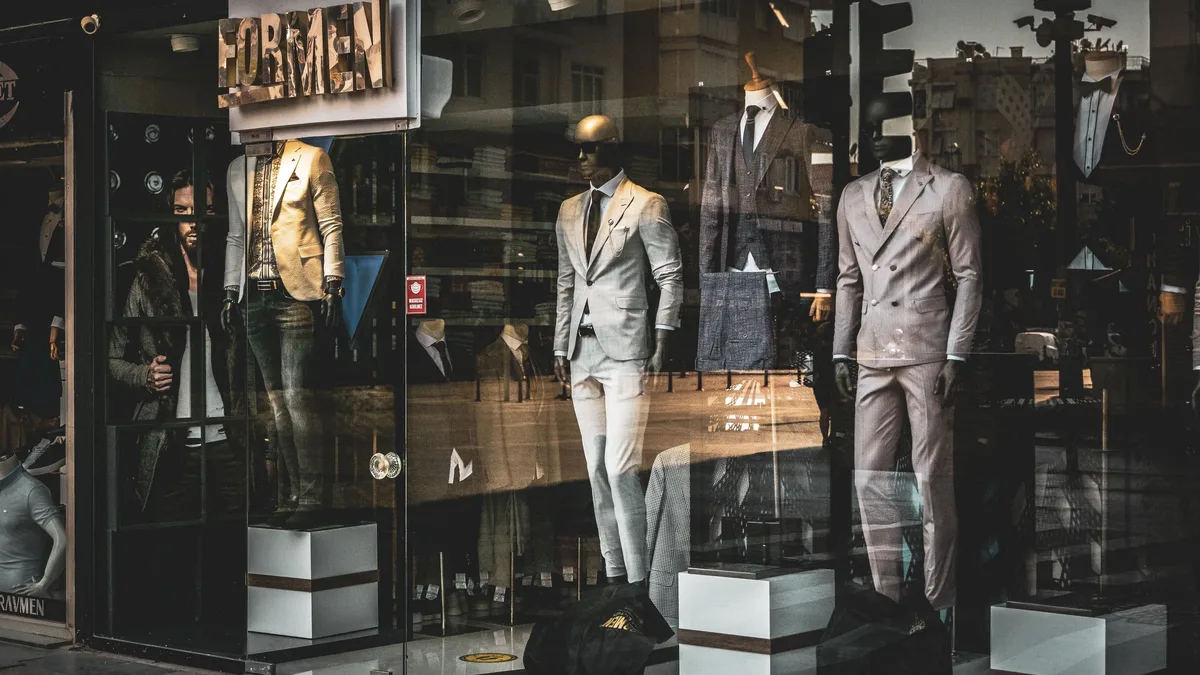
Stüssy Sparks Debate on Normal Clothes
A fashion critic questions if menswear has hit 'peak normal,' using Stüssy's latest lookbook as a prompt.
Bode's SS27 Collection Rides into Town with a Western Twist
Bode's Spring/Summer 2027 collection draws inspiration from the peak of the American cowboy era, blending ornate Western styles with contemporary...
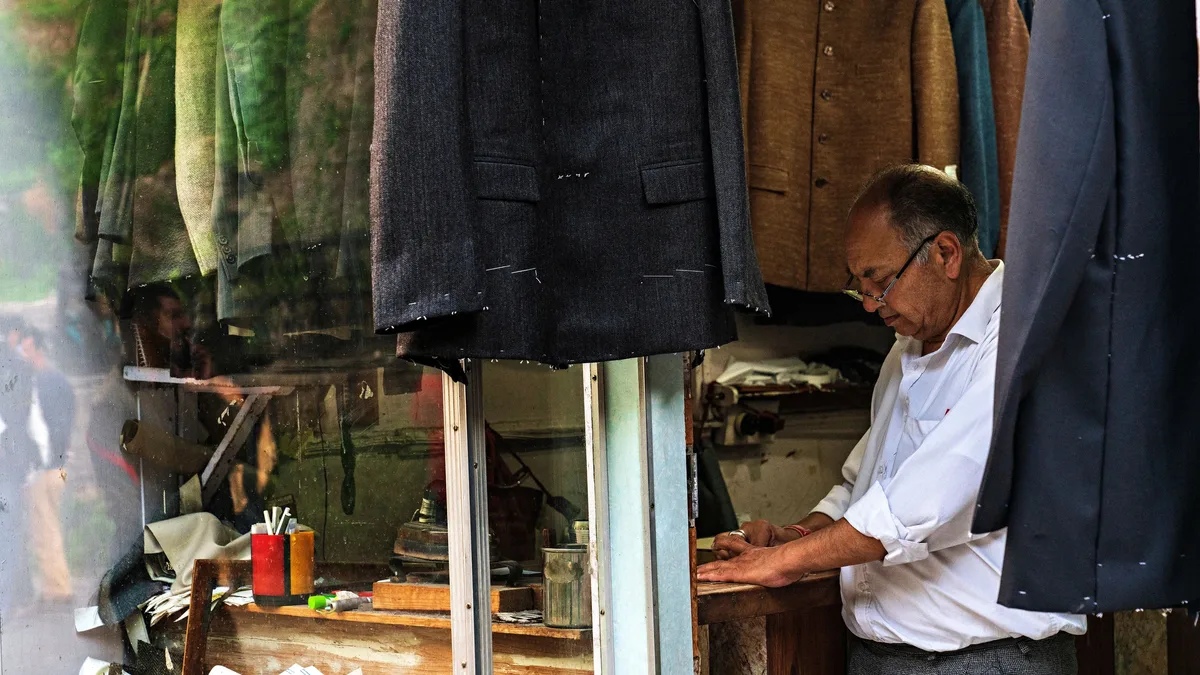
Supreme Teases Peak Box Logo Leather Jacket for Fall/Winter 2026
Supreme has released a teaser for its Fall/Winter 2026 collection, featuring a patchwork leather jacket with a history of Box Logos.