Noah's Notes on BbbLllAaaHaa, Shade, Supreme
Brendon Babenzien of Noah highlights his brand obsessions: BbbLllAaaHaa's vision, Shade's tennis craftsmanship, and Supreme's ritualistic releases.
Brendon Babenzien, the founder of Noah, is thinking about several specific brands right now. He details his admiration for BbbLllAaaHaa's cohesive vision, the appeal of everyone's Mono watch, the tennis-centric design of Shade, and Supreme's consistent, ritualistic release strategy.
A Confounding New Brand
Babenzien has been closely following the brand BbbLllAaaHaa for about a year. He loves its opulent labeling, tightly constrained collections, and highly functional clothes. What he likes most is the brand's full commitment to a vision that is not obviously commercially viable. In a world of over-optimized products, BbbLllAaaHaa simply exists. Its products sell out quickly.
A Tennis Brand That Works
Shade was started by Miraj Patel, a founder of Gnuhr, as a response to outdoor brands focused on efficiency and vibes over sustainability. It is a small-scale brand that focuses on meticulous design, limited hand-numbered runs, and a visual identity akin to an art project. Patel fell under the spell of tennis while developing the brand, centering much of the clothing's functionality and imagery on the sport.
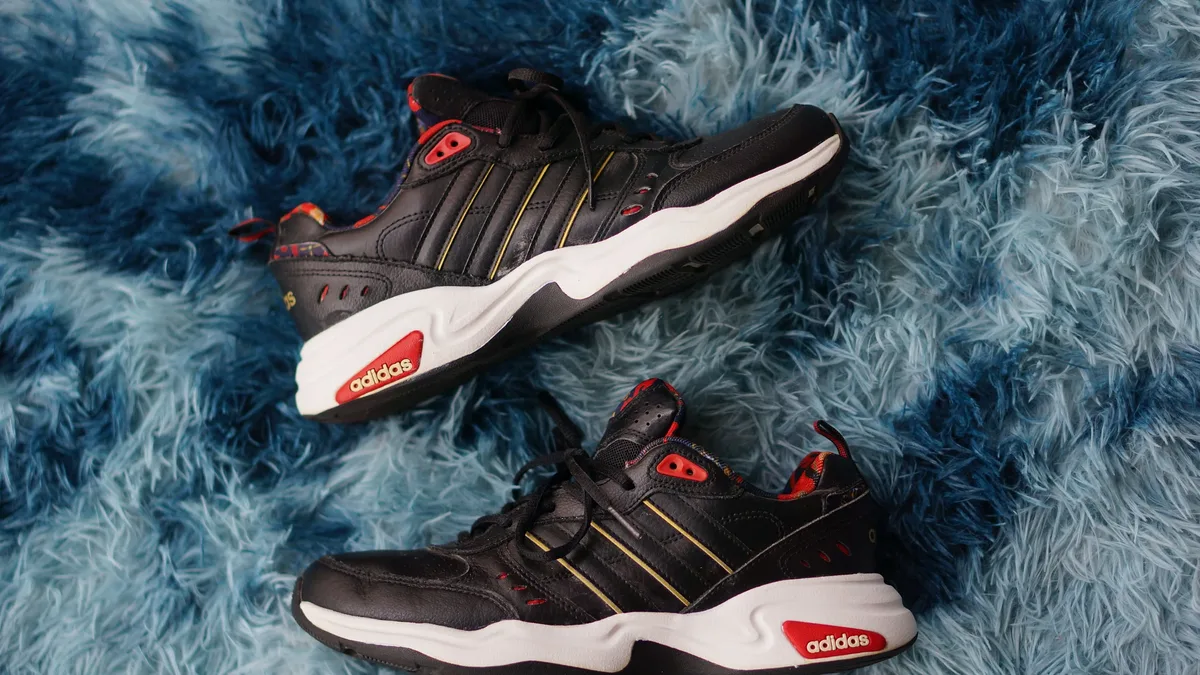
Babenzien has always preferred wearing regular tennis clothes, specifically adidas Climacool Ergo shorts and a vintage cotton tee. He recently got Shade's long shorts and is impressed. He praises the great fabric, interesting construction that maintains comfort, and a unique customization feature: a raw hem with bar-tack stitching at intervals so the wearer can cut them to a preferred length. All Shade garments come with some version of this customization option.
The Supreme Ritual
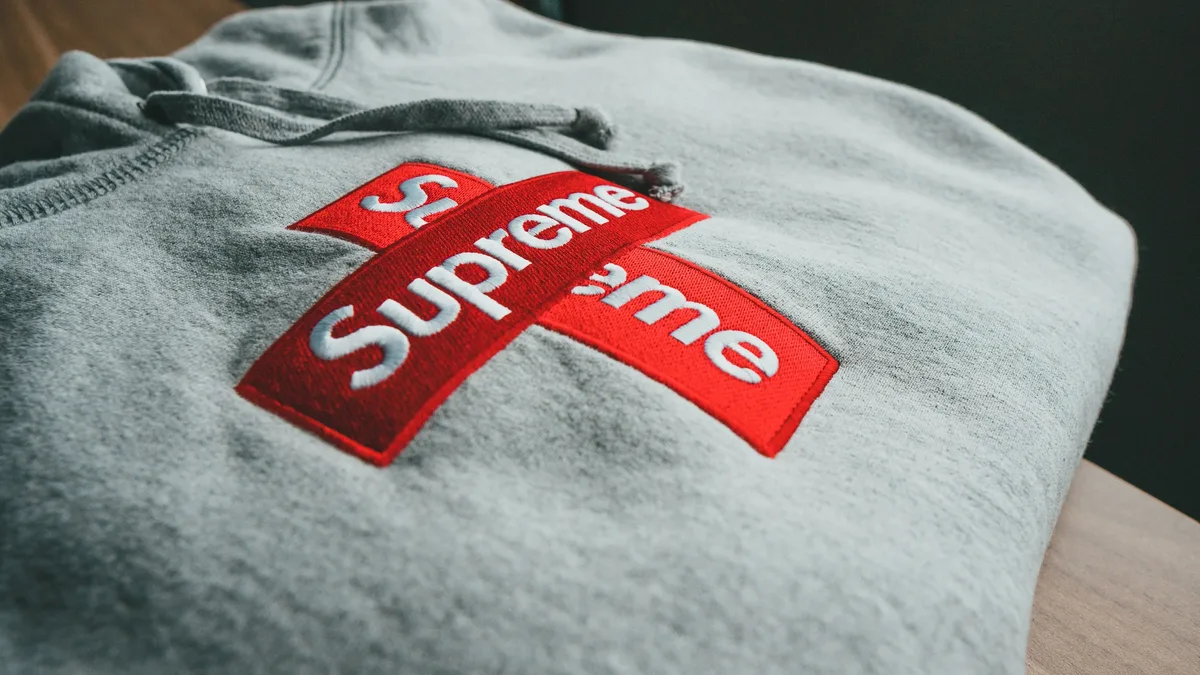
There is buzz that Supreme has returned to form, with more people seen wearing it lately. Babenzien notes that Supreme is likely the most consistent brand of the last 20 years. Its product quality remains high for the price, its attitude unchanged, and its collaborative caliber steady. Every new collection is released at the exact same time, in the exact same way, twice a year.
The cornerstone is the preview grid, a standardized online preview of every seasonal item. Supreme began these previews in 2011 when its web store expanded to the EU and UK. The brand didn't have a web store until 2006. Babenzien loves this preview ritual, clicking through every slide out of habit even though he hasn't bought anything in years. The rigidity and predictability of Supreme's rollouts turned standard marketing into a meaningful ritual. This includes the preview ritual, the drop-day ritual, and collaboration rituals with brands like Nike and North Face.
For rituals to be effective, they need deep cultural meaning. Babenzien would like to know the traffic numbers on Supreme's preview page to see if it still holds that power. He bets it does.
He also offers a final, unexplained thought: you have to be a total weirdo to wear a black T-shirt.